VRF systems Thailand are emerging as the commercial cooling standard because they provide up to 30 percent higher energy efficiency through variable capacity and precise multi-zone control. These ductless solutions offer reliable cooling and significant cost savings for businesses, making them the preferred HVAC technology for modern infrastructure projects across the country.
As Thai commercial property owners face escalating energy tariffs and stricter environmental mandates, the inefficiency of legacy cooling infrastructure has become a critical operational liability. High ambient temperatures and humidity levels in Bangkok demand more than just power; they require precision and adaptability that older systems cannot provide. This shift marks a pivotal moment for industrial and commercial sectors where operational continuity depends on energy efficiency. In this analysis, we explore why Variable Refrigerant Flow (VRF) technology is positioned as the national standard for 2027. You will learn about the strategic evolution of commercial HVAC in Thailand, the practical differences between VRF and traditional chiller systems, and how to navigate maintenance requirements. We also address the impact of the Kigali Amendment on local sourcing to ensure your infrastructure remains future-proof and compliant with national industrial standards.
The Evolution of Commercial Cooling in Thailand
Commercial cooling in Thailand has undergone a significant transformation over the past decade. For years, the market in Bangkok was divided between massive central chillers for high-rise developments and scattered split units for smaller commercial spaces. However, the relentless humidity and year-round thermal load characteristic of the Thai climate have pushed the industry toward more sophisticated, energy efficient HVAC solutions. As we look toward 2027, the focus has shifted entirely to systems that offer both modular flexibility and high-tier performance.
This evolution is led by Variable Refrigerant Flow technology. To answer the frequent industry inquiry of "vrf air conditioning คือ" (what is VRF), it is a multi-zone system that uses a single outdoor condensing unit to serve multiple indoor units. Unlike traditional systems that operate at a fixed capacity, VRF technology utilizes an inverter compressor to modulate the amount of refrigerant sent to each zone based on its specific demand.
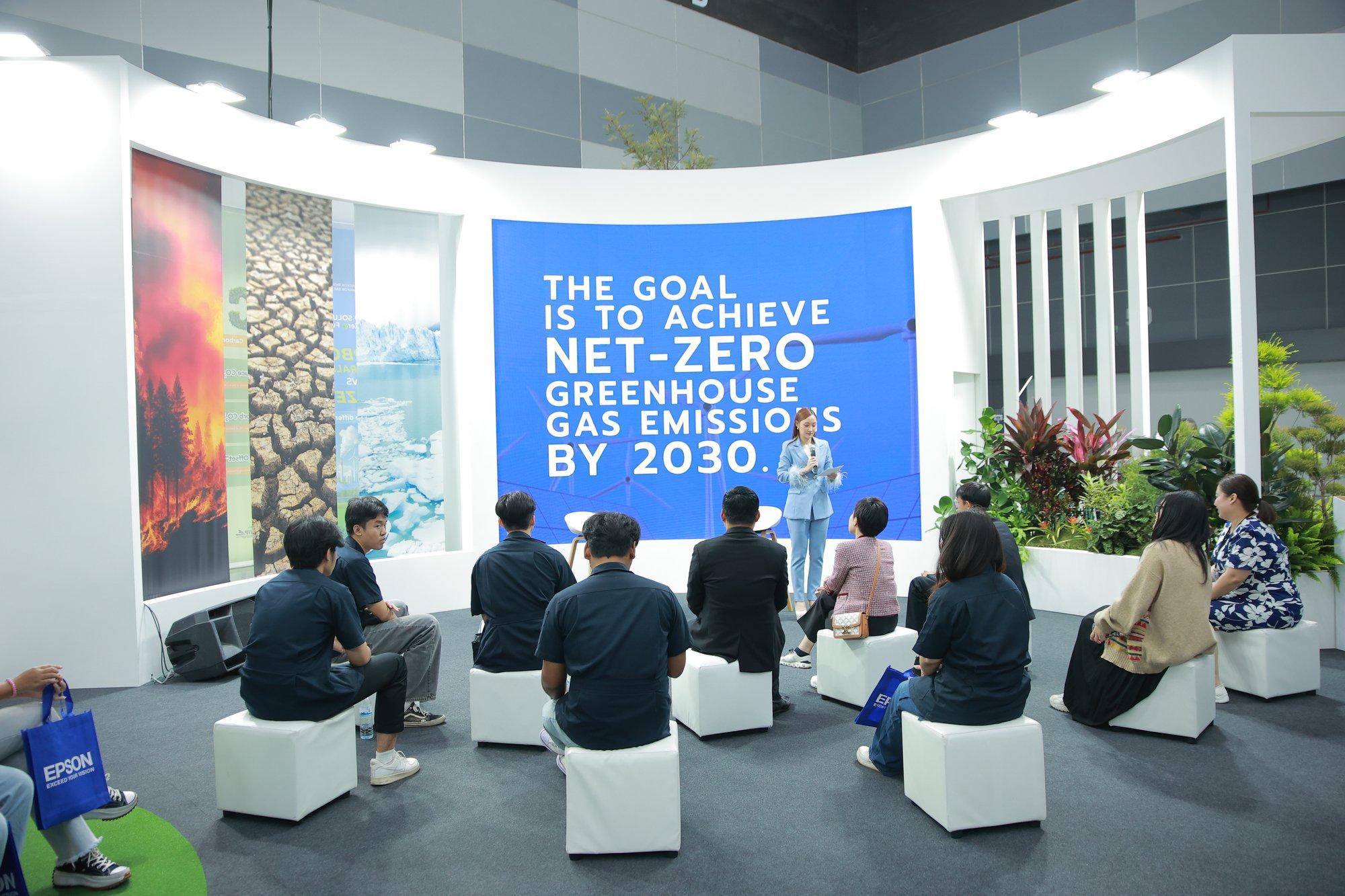
By adjusting flow in real time, VRF systems Thailand provide precise temperature control while minimizing the energy waste typically associated with over-cooling. This transition is essential for modern urban architecture in Bangkok, where mixed-use buildings and co-working spaces require varied cooling intensities. Professionals can explore these technical advancements and case studies at the next international HVAC conference, where the integration of tropical cooling and sustainability will be a primary focus.
Why VRF Systems are Becoming the Default Choice for 2027
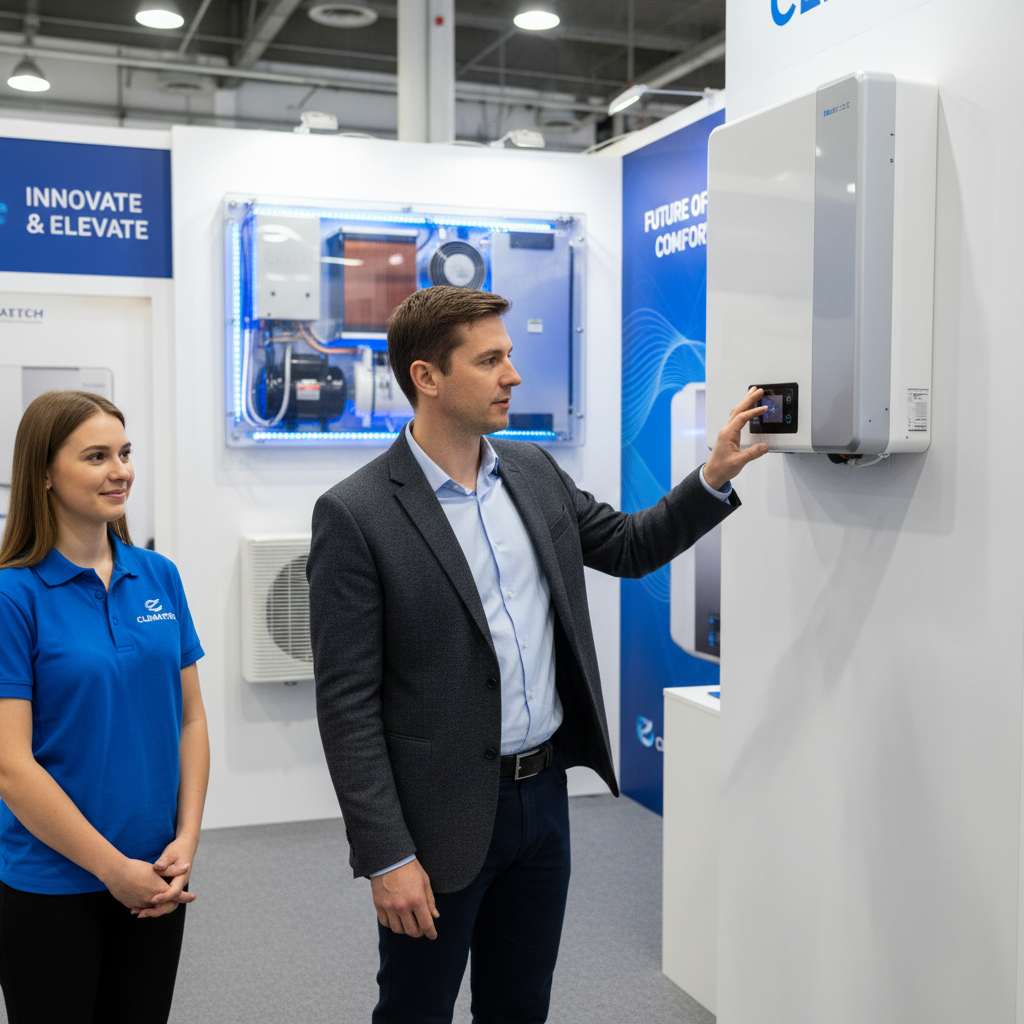
The rapid adoption of VRF technology across the Kingdom is driven by a clear alignment between system capabilities and local operational demands. Foremost among these is the dramatic reduction in operational expenditure. In the context of Thailand’s commercial electricity tariffs, moving to energy efficient HVAC solutions is no longer a luxury but a fiscal necessity. By utilizing inverter-driven compressors that match motor speed to the actual cooling load, VRF systems Thailand typically achieve 30 to 50 percent energy savings compared to traditional constant-speed systems.
A significant technological advantage for 2027 is the implementation of Heat Recovery. For luxury hotels and high-end residential developments in Bangkok, this feature offers a secondary utility benefit. As the system extracts heat from guest rooms or retail areas to provide cooling, that thermal energy is not simply exhausted into the atmosphere. Instead, it is reclaimed to heat domestic water for bathrooms, laundry services, or swimming pools. This dual-purpose operation provides a massive boost to the building’s overall efficiency rating by essentially providing hot water as a free byproduct of the cooling process.
Benefit Category | Performance Impact in Thailand |
|---|---|
Energy Savings | 30% to 50% vs. legacy fixed-speed systems |
Indoor Noise Levels | 19 to 34 dB (suitable for high-end hospitality) |
Thermal Management | Simultaneous Cooling and Heat Recovery |
Zoning Flexibility | Individual control for up to 64 indoor units |
Independent zoning further addresses the shifting landscape of Bangkok’s professional sector. With the rise of co-working spaces and hybrid office models in districts like Sukhumvit and Silom, occupancy levels fluctuate significantly throughout the day. VRF systems allow facility managers to deactivate cooling in unoccupied meeting rooms or individual office pods while maintaining comfort in high-traffic zones. This granular control prevents the costly practice of cooling entire floors for the benefit of only a few employees, directly improving the long-term ROI of the installation.
VRF vs. Chiller: The Thailand Reality Check
Building owners in Bangkok often face the ultimate debate when selecting a central cooling strategy. While water-cooled chillers remain the standard for massive infrastructure like airports or mega-malls, the trend for mid-sized commercial developments in 2027 favors VRF systems Thailand. The primary differentiator lies in the mechanical footprint. Unlike chillers, VRF systems do not require cooling towers, water pumps, or complex piping networks. This elimination of water-based infrastructure is a critical advantage in Thailand’s urban landscape, where roof space is premium and water treatment costs are rising.
For boutique hotels in districts like Thong Lor or mid-rise office blocks in Pathum Wan, VRF offers a more manageable maintenance profile. Chiller systems require rigorous water chemistry management to prevent scaling and microbial growth, whereas VRF maintenance focuses primarily on refrigerant levels and electronic controls. While the initial installation cost per ton of cooling for VRF can be moderate to high compared to some air-cooled chillers, the life-cycle ROI is significantly higher due to its superior performance at partial loads.
Feature | VRF Technology | Chiller Systems |
|---|---|---|
Primary Application | Boutique Hotels, Mid-sized Offices | Mega-Malls, Large Factories |
Water Consumption | Zero (Air-cooled) | High (Evaporative loss) |
Infrastructure | Small-diameter copper piping | Large-diameter steel piping |
Part-load Efficiency | Excellent (Inverter-driven) | Variable (Load dependent) |
Selecting the right technology depends on the total cooling load and architectural constraints. Professionals attending the ASEAN HVAC exhibition can consult with engineers to analyze these trade-offs through real-world simulation data. By prioritizing energy efficient HVAC solutions, facility managers can ensure their infrastructure remains competitive as Thailand moves toward stricter building energy codes. This decision-making process is further simplified by exploring the technical specifications at an international HVAC conference, where the comparative longevity of these systems is a recurring theme.
Addressing the VRV vs. VRF Difference
In the Thai engineering sector, the terms VRV and VRF are often used interchangeably, causing some confusion during the procurement and specification phases. This distinction is purely a matter of intellectual property rather than mechanical deviation. Variable Refrigerant Volume, or VRV, is a protected trademark of the manufacturer that pioneered this technology in 1982. To avoid trademark infringement, all other global manufacturers adopted the generic term Variable Refrigerant Flow, or VRF.
Despite the different naming conventions, the fundamental principle of circulating a precise amount of refrigerant to multiple indoor units remains identical. Today, a wide variety of manufacturers including Carrier, LG, Trane, and Mitsubishi Electric offer high-performance VRF systems Thailand tailored for tropical climates.
Recognizing this terminology is essential for facility managers comparing energy efficient HVAC solutions. While the acronyms differ, the focus at the ASEAN HVAC exhibition will be on the shared performance metrics of these systems, such as part-load efficiency and inverter reliability. Professionals seeking to understand the global standards and engineering benchmarks for these systems can attend specialized sessions at the international HVAC conference, where technical clarity remains a priority for the industry.
Overcoming the Downsides: Space and Maintenance
Acknowledging the limitations of VRF technology is essential for realistic facility planning. While these systems provide unmatched flexibility, they present specific logistical challenges, particularly regarding the complexity of the refrigerant piping network. Unlike a central chiller where water is the thermal medium, VRF systems circulate refrigerant directly throughout the building. In Bangkok’s high-rise commercial sectors, this necessitates high-quality, leak-proof copper piping and sophisticated leak detection systems to ensure safety and long-term performance. Poor installation can lead to costly leaks that are difficult to locate within finished ceilings.
Technical proficiency is another critical factor. Because these systems utilize complex inverter logic and sensitive communication wiring, they require specialized technicians rather than general HVAC labor. The Federation of Thai Industries and its partners are actively addressing this by promoting higher certification standards across the Kingdom. Modern installation techniques, such as flame-free mechanical couplings and advanced digital diagnostic tools, are becoming the industry standard to reduce the risk of human error during the commissioning phase.
Many of these technical safeguards and next-generation diagnostic tools will be on display at the ASEAN HVAC exhibition. Additionally, the international HVAC conference will feature technical sessions on preventative maintenance protocols tailored for the high-humidity environment of Thailand. By adopting these rigorous engineering standards, building owners can ensure their energy efficient HVAC solutions remain reliable. Proper planning and professional execution transform these perceived downsides into manageable operational parameters for VRF systems Thailand.
Sustainability and the Kigali Amendment in Thailand
Thailand’s commitment to the Kigali Amendment has accelerated the transition toward low Global Warming Potential (GWP) refrigerants across the commercial sector. By 2027, the standard for VRF systems Thailand will have moved decisively away from R-410A in favor of next generation fluids such as R-32 or R-454B. These refrigerants provide a balanced profile of safety, performance, and environmental responsibility, significantly reducing the carbon footprint of high density cooling installations while maintaining the high thermodynamic efficiency required for the Thai climate.
Efficiency in 2027 is defined by intelligence as much as mechanical hardware. The most sophisticated energy efficient HVAC solutions now integrate natively with Building Management Systems (BMS) and IoT platforms. This connectivity facilitates automated demand response, a critical feature for navigating Thailand’s time of use electricity tariffs. By communicating directly with the power grid, VRF systems can automatically modulate compressor speeds or adjust setpoints during peak demand periods, effectively lowering operational costs without compromising occupant comfort.
Refrigerant Type | GWP Rating | Regulatory Status (2027) |
|---|---|---|
R-410A | 2,088 | Phase-down target |
R-32 | 675 | Mainstream adoption |
R-454B | 466 | Emerging high-efficiency standard |
This alignment between refrigerant policy and smart automation will be a core technical theme at the international HVAC conference. Manufacturers participating in the ASEAN HVAC exhibition are showcasing units designed specifically for this new regulatory reality, ensuring that Thai commercial properties remain compliant with international environmental standards.
Where to Source the Latest VRF Technology in Bangkok
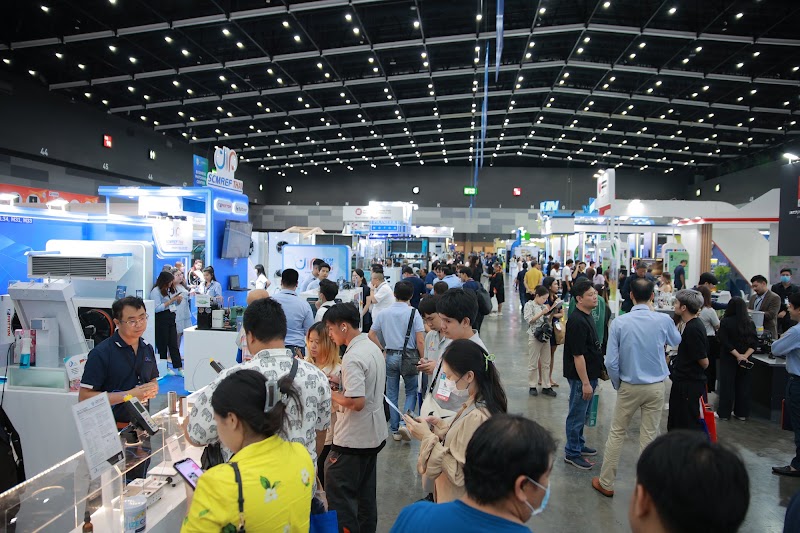
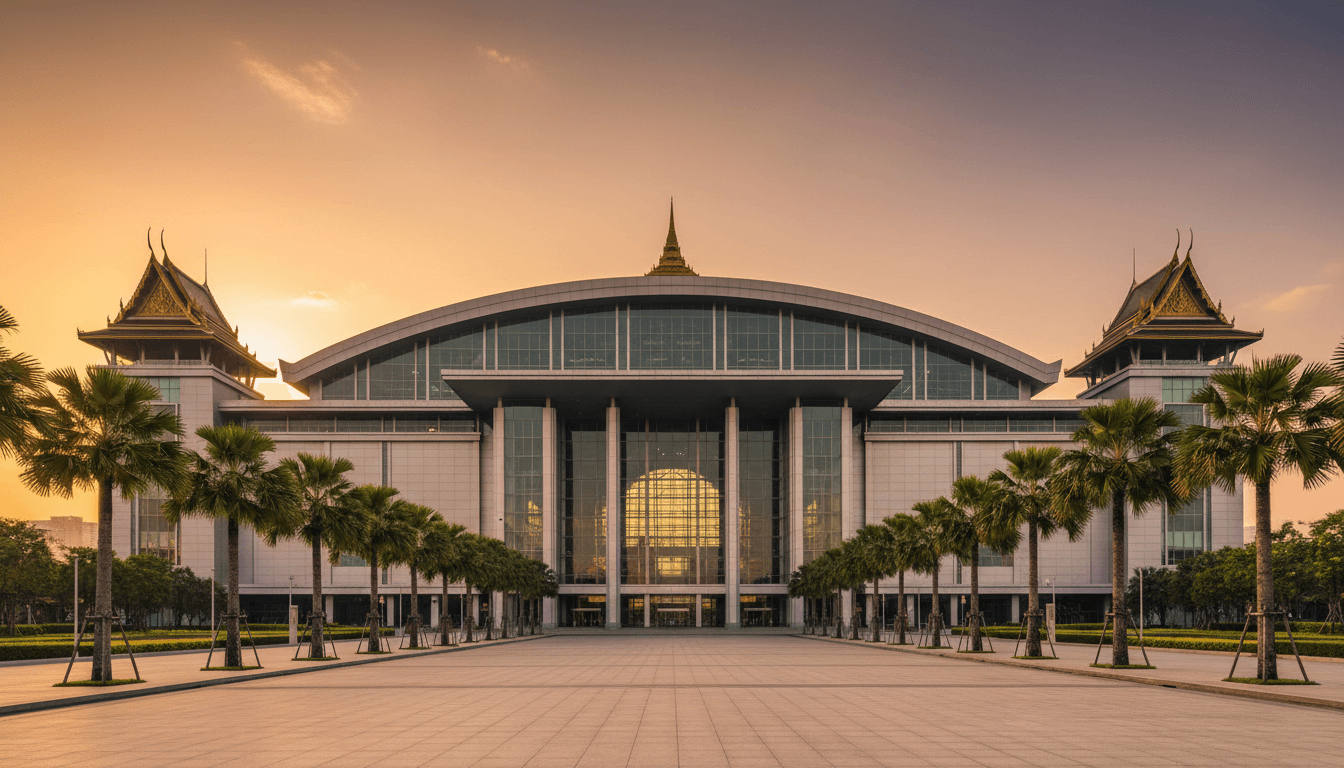
Identifying the most reliable VRF systems Thailand offers requires a side by side comparison of hardware performance and digital integration. Bangkok RHVAC 2027 serves as the centralized procurement hub for these technologies, returning for its 15th edition on 1–3 April 2027 at BITEC Bangkok, Halls EH98–100. This event, organized by the Department of International Trade Promotion (DITP) in collaboration with the Federation of Thai Industries and the Thai Refrigeration Association, is the definitive venue to evaluate the next generation of cooling infrastructure.
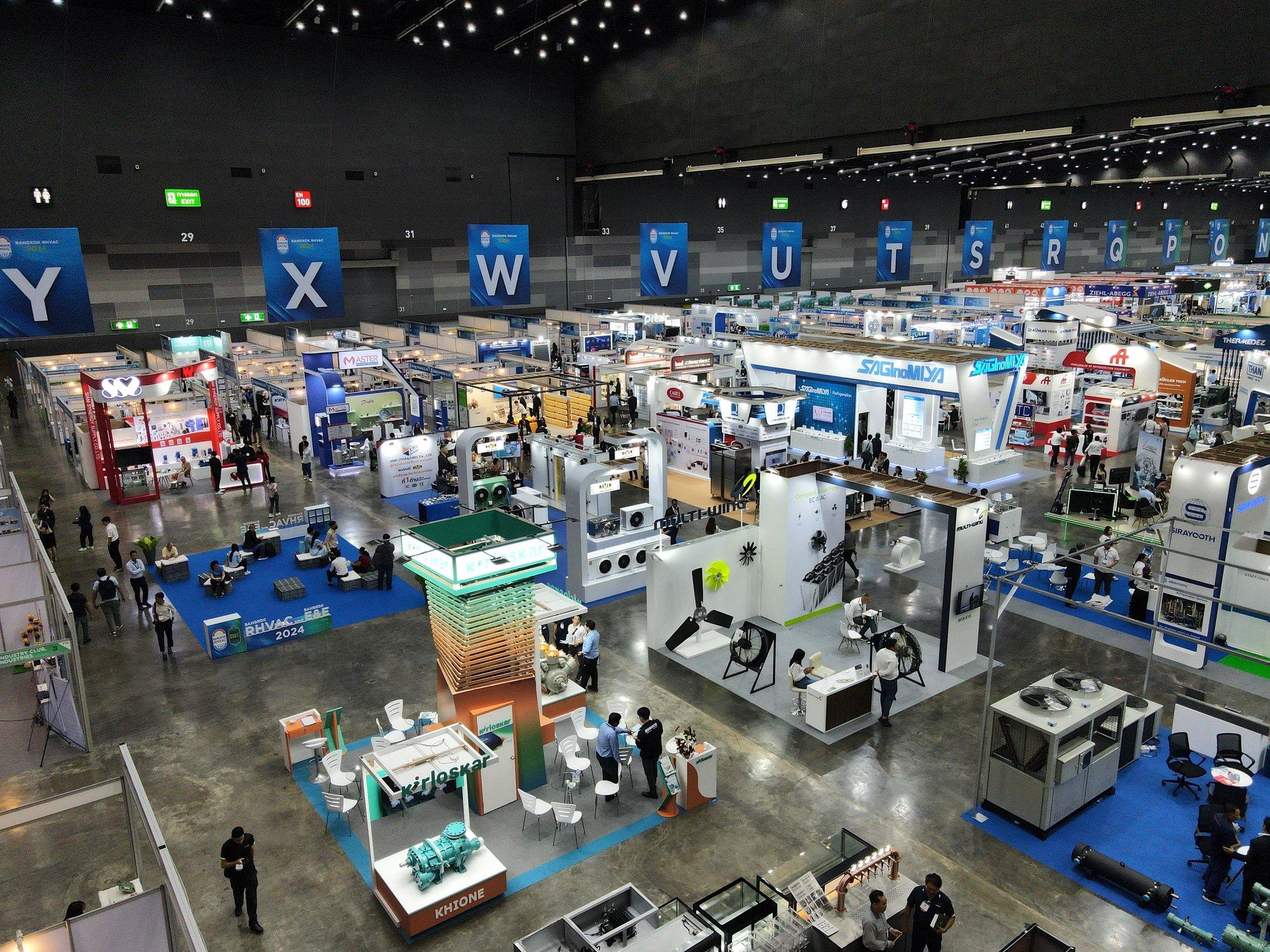
Attendees can examine a full spectrum of energy efficient HVAC solutions, ranging from high capacity outdoor condensing units to diverse indoor configurations including sleek cassettes, ducted units, and wall-mounted variants. Beyond the physical hardware, the show highlights the latest building automation interfaces that allow for the granular zoning and heat recovery discussed in earlier chapters. This is where Thai manufacturers, local subsidiaries of international brands, and global buyers converge to finalize specifications for upcoming commercial developments.
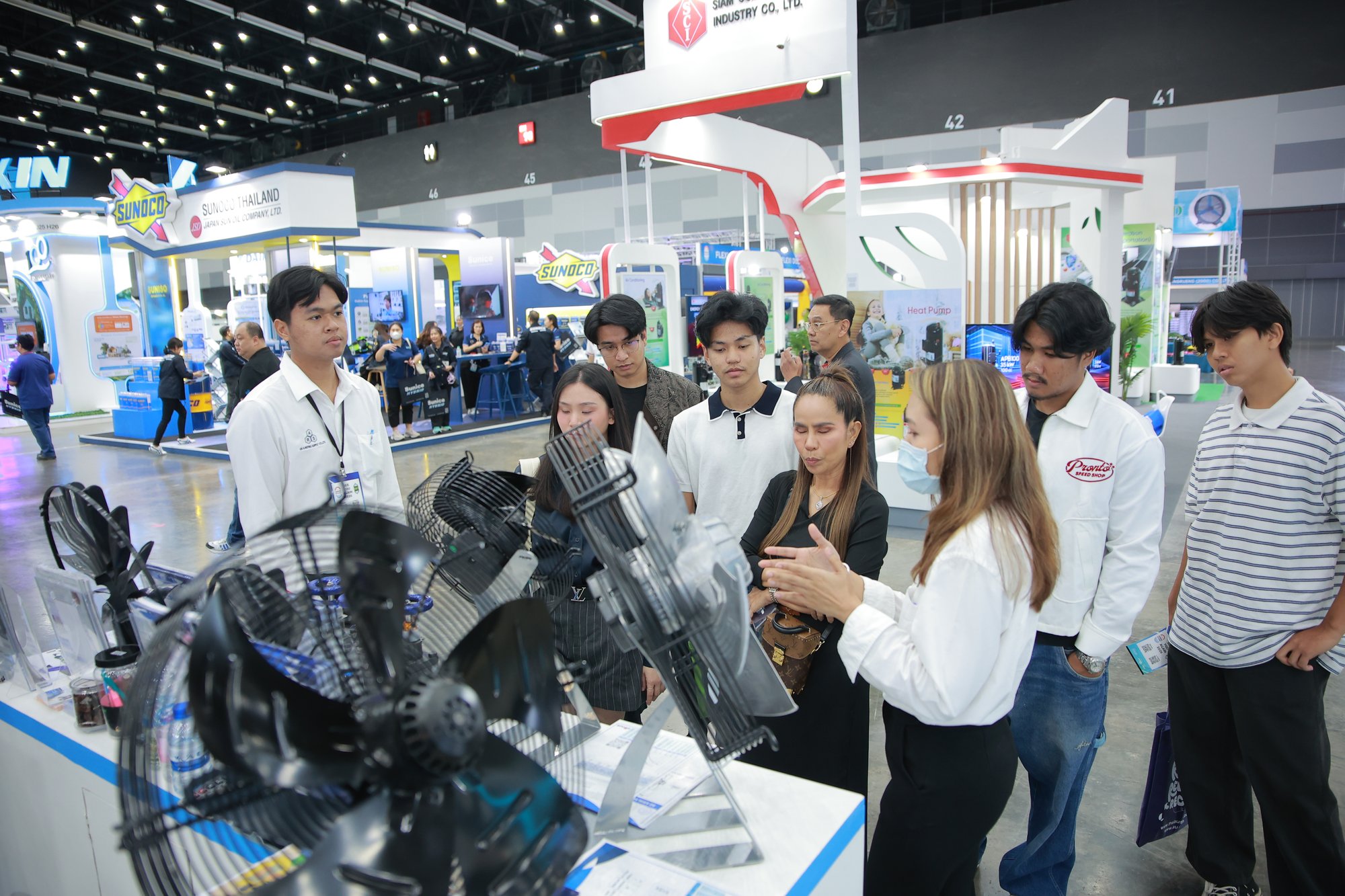
The ASEAN HVAC exhibition provides a unique opportunity to interface directly with technical experts from the Thai Refrigeration Association. These professionals offer practical insights into local installation standards and the lifecycle maintenance of complex refrigerant networks in high rise environments. Furthermore, the international HVAC conference, known as TC-HVACR 2027, runs concurrently, providing a platform for deeper technical exchange regarding tropical cooling challenges and sustainable engineering. Pre-registration through the official DITP system ensures streamlined access to the latest VRF innovations and business networking sessions designed for the 2027 market.
The adoption of VRF systems is clearly becoming the standard for Thailand’s commercial cooling landscape by 2027. While these technologies offer superior energy efficiency and operational flexibility, successful implementation requires detailed technical planning. If you are looking for expert help to integrate these solutions into your next project, engaging with industry pioneers can provide the clarity you need. You may discover new possibilities and connect with technical consultants at the upcoming HVAC Show. This gathering is an ideal setting to refine your environmental strategy alongside experienced professionals.