The AI buildout is accelerating the transition from traditional air systems to high-density liquid cooling solutions to handle the extreme thermal loads of modern processing chips. This shift is driving a massive surge in advanced HVAC infrastructure demand as data center cooling Thailand evolves to support billions in new infrastructure investments through 2027.
As Thailand solidifies its role as a premier digital hub within the ASEAN corridor, industrial operators face a critical thermal threshold. The rapid adoption of high density AI workloads is pushing legacy air cooling systems to their physical limits, especially when coupled with our local tropical humidity. For industry leaders, maintaining operational efficiency while meeting stringent power usage effectiveness standards is no longer just a technical preference; it is a fundamental requirement for global competitiveness. This article examines the vital transition from traditional HVAC methods to advanced liquid and immersion cooling technologies. We will analyze how these shifts influence local infrastructure demands, the regulatory landscape for sustainable cooling, and how the forthcoming Bangkok RHVAC 2027 will serve as a catalyst for future proofing our national data center ecosystem against evolving thermal challenges.
The AI Driven Transformation of Thailand's Digital Infrastructure
Thailand's digital landscape is undergoing a rapid evolution, driven by aggressive Board of Investment (BOI) incentives and a surge in global cloud provider interest. A cornerstone of this shift is the recent 1 billion USD investment by Google, which solidifies Bangkok and the Eastern Economic Corridor as central nodes for regional data processing. This momentum is reflected in the energy sector; Thailand's data center power demand grew 400 percent between 2020 and 2024. As the nation pursues a strategic goal to triple its total capacity within the next three years, the technical requirements for local facilities are shifting from standard storage to high density compute environments.
The integration of high performance AI chips, such as the NVIDIA H100, is the primary catalyst for this change. These GPUs generate upwards of 700W per unit, creating thermal loads that far exceed the capabilities of legacy infrastructure. Consequently, the demand for specialized data center cooling Thailand solutions has transitioned from a future consideration to an immediate operational necessity. The sheer density of AI clusters means that traditional methodologies are no longer sufficient to maintain the uptime required by hyperscalers.
Industry leaders preparing for the Bangkok RHVAC trade show in April 2027 are focusing on how to support this tripling of capacity without compromising energy stability. For those looking to participate, exhibitor registration is currently open to companies specializing in high density thermal management. Prospective attendees can find visitor information to plan their review of the latest liquid and immersion technologies required to sustain Thailand’s AI infrastructure. This growth trajectory necessitates a fundamental redesign of how we approach heat rejection in a tropical context.
Why Traditional Air Cooling Hits a Ceiling in Tropical Climates
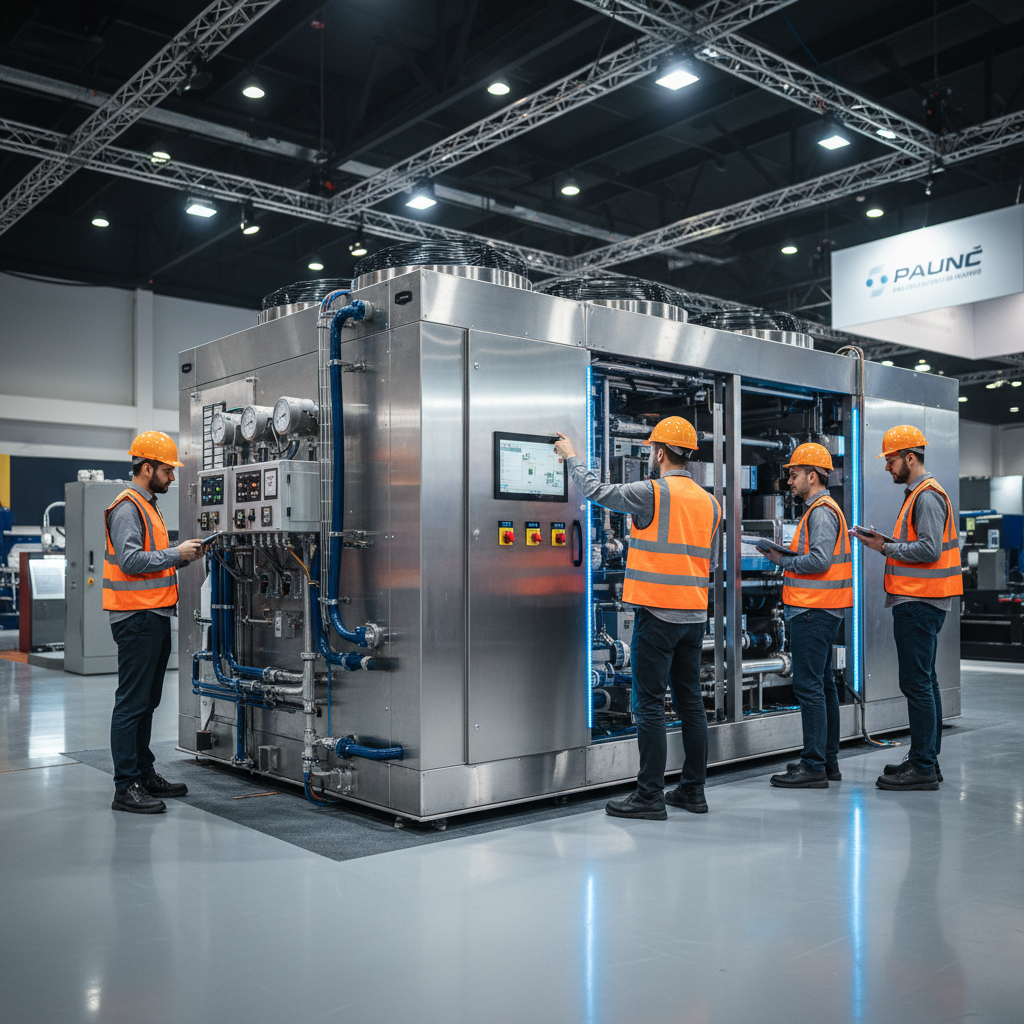
In the tropical corridors of Bangkok and Chonburi, the environmental variables of high ambient temperature and persistent humidity create a difficult thermal management landscape. Traditionally, data centers have relied on Computer Room Air Conditioning (CRAC) units and hot or cold aisle containment. When answering what type of cooling is used in data centers, most legacy facilities in Thailand still employ these air-based convective methods. However, as AI workloads push rack densities beyond 40kW, the physics of air as a cooling medium reaches a functional ceiling.
Air cooling typically fails to maintain safe operating temperatures once a rack exceeds 41.3kW. For context, a modern AI cluster equipped with high performance chips can easily surpass these requirements, making traditional methods obsolete for new builds. In a climate like Thailand's, the efficiency of air cooling is further hampered by the energy required to dehumidify and pre-cool intake air. The median Power Usage Effectiveness (PUE) for traditional deployments globally stands at 1.62; in tropical regions, maintaining even this level of efficiency requires significant energy expenditure.
For hyperscalers and global tech entities, a PUE of 1.62 is increasingly viewed as a competitive liability rather than a standard. High energy consumption for cooling, which can represent up to 40 percent of total operational costs in traditional facilities, conflicts with corporate sustainability mandates. As part of the technical discourse at the Bangkok RHVAC trade show, industry experts will analyze how these environmental constraints necessitate a move away from purely air-dependent systems.
Engineers and facility managers accessing visitor information for the 2027 event will find that the focus has shifted toward solving the tropical tax on energy efficiency. The limitation is not just about the volume of air, but the inability of air to effectively carry away the concentrated heat flux of next generation GPUs in a high humidity environment, complicating data center cooling Thailand strategies for existing sites. This thermal bottleneck is the primary driver behind the adoption of more conductive cooling media.
Liquid Cooling vs Air Cooling: The Shift to Immersion and Direct to Chip
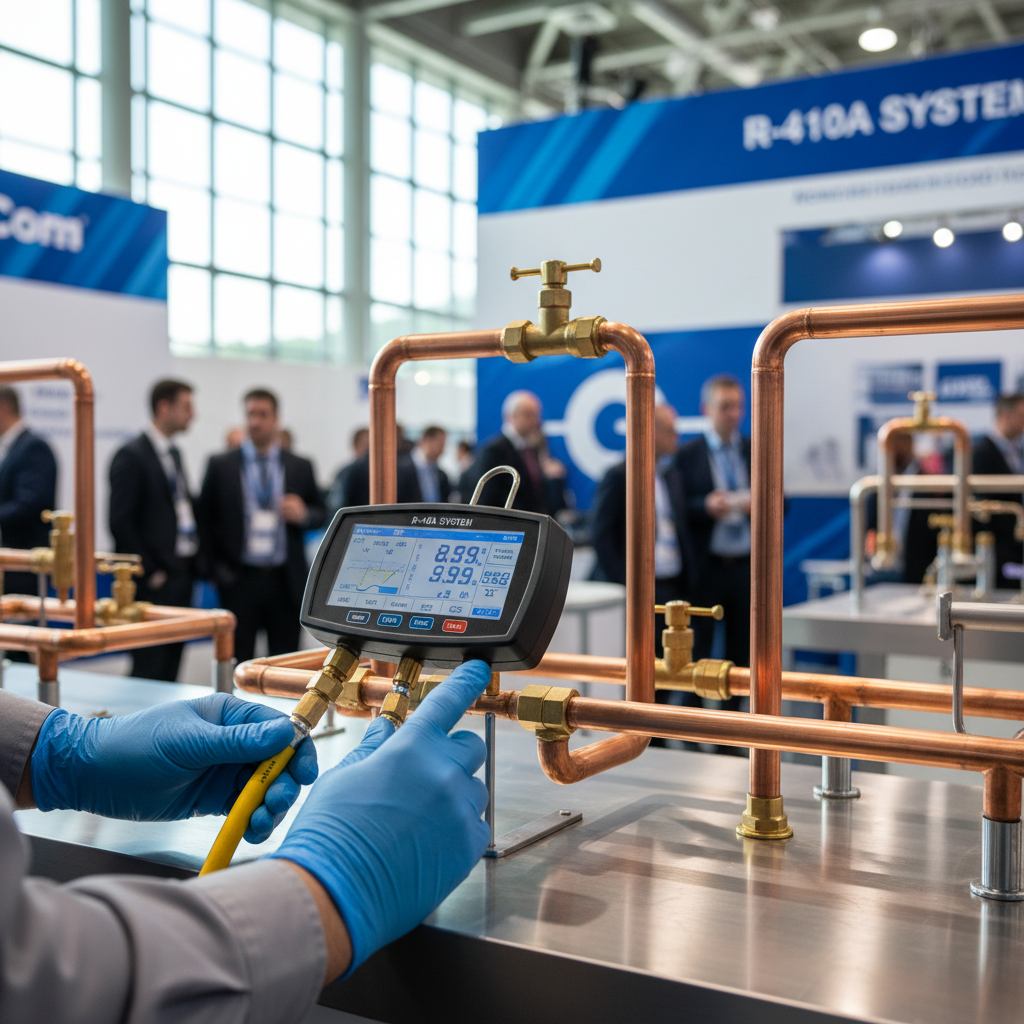
Transitioning from air to liquid media represents a fundamental shift in the physics of thermal management. When evaluating whether liquid cooling is more energy efficient than air cooling, the data is conclusive. Liquid cooling systems drastically reduce the energy overhead required for heat rejection. While traditional air cooling setups in tropical environments often operate with a Power Usage Effectiveness (PUE) between 1.50 and 1.80, single phase immersion cooling can achieve a PUE as low as 1.03 to 1.08. This efficiency gain is driven by the superior thermal properties of liquids; water and dielectric fluids carry 3,300 times more heat per unit volume than air, providing a 60x improvement in convection.
Feature | Traditional Air Cooling | Direct-to-Chip (D2C) | Single-Phase Immersion |
|---|---|---|---|
Typical PUE | 1.50 – 1.80 | 1.15 – 1.30 | 1.03 – 1.08 |
Max Rack Density | ~41.3 kW | 80 – 100 kW | 200+ kW |
Convective Efficiency | Baseline | High | 60x Improvement |
Primary Application | Legacy/General Compute | AI Retrofits | High-Density AI Clusters |
Direct to chip cooling currently commands a 47 percent market share, largely because it serves as the primary bridge for existing facilities in the region. By utilizing cold plates mounted directly on high performance GPUs like the NVIDIA H100, operators can remove 60 to 80 percent of server heat via liquid loops while maintaining some existing air infrastructure for peripheral components. This hybrid approach is particularly relevant for data center cooling Thailand strategies where providers must balance the need for immediate AI readiness with the capital constraints of existing building shells.
For investors and engineers reviewing visitor information for the upcoming Bangkok RHVAC trade show, the focus is increasingly on these high density solutions. Immersion cooling, where servers are fully submerged in non conductive fluid, offers the most significant leap in performance, supporting rack densities exceeding 200kW. As Thailand aims to triple its digital capacity, the ability to pack more compute power into smaller footprints without a corresponding spike in energy costs is vital. Technology providers interested in showcasing these advancements to the ASEAN market can find exhibitor registration details to secure a position at the forefront of this infrastructure pivot.
Strategic Opportunities in the ASEAN Data Center Market
Thailand’s ascent within the ASEAN digital corridor is defined by its ability to provide high tier reliability where regional neighbors face scalability hurdles. While Malaysia currently commands the lead in sheer capacity, with approximately 8 to 9 gigawatts in the pipeline, and Indonesia continues to expand its footprint, Thailand is carving a niche through the superior stability of its electrical energy infrastructure. For hyperscale investors, the consistency of the Thai grid acts as a primary hedge against the operational risks found in less mature markets. This reliability is the foundation upon which sophisticated data center cooling Thailand initiatives are built.
The Federation of Thai Industries plays a pivotal role in this expansion by harmonizing industrial standards and fostering a robust localized supply chain. Through trade platforms like the Bangkok RHVAC trade show, the FTI bridges the gap between global technology providers and local infrastructure developers. These interactions are crucial for implementing large scale solutions such as district cooling. In dense urban hubs like Bangkok, district cooling systems allow multiple data centers to share high efficiency chilled water loops. This approach reduces the individual facility footprint and improves overall city-wide energy metrics, making it a preferred strategy for urban densification.
Strategic growth in the region also necessitates a shift toward modularity. Manufacturers and service providers interested in these ASEAN developments can access exhibitor registration to engage with the procurement teams currently designing Thailand’s next generation facilities. Meanwhile, those seeking to understand the specific mechanical requirements of tropical data centers can find comprehensive visitor information regarding the technical sessions planned for April 2027. By aligning energy stability with advanced thermal standards, Thailand is positioning itself as the most resilient hub for high density compute in Southeast Asia.
Sustainable Cooling: Navigating Global Regulations and Local Ethics
Thailand’s transition toward a high density digital economy carries significant environmental responsibilities. While electrical stability is a competitive advantage, the ethical use of water resources remains a localized priority. Traditional evaporative cooling towers, which dissipate heat through large scale water evaporation, are increasingly scrutinized in the context of urban sustainability. In contrast, advanced data center cooling Thailand solutions, such as closed loop liquid immersion and direct to chip systems, reduce water consumption by 95 to 98 percent. This massive reduction in water intensity allows hyperscalers to operate within the Kingdom without straining municipal supplies or local ecosystems, a critical factor for facilities located near agricultural or residential hubs.
Beyond water usage, the national commitment to the Kigali Amendment necessitates a swift phase down of high Global Warming Potential (GWP) hydrofluorocarbons (HFCs). Data centers are currently the primary testing ground for next generation low GWP refrigerants and natural cooling agents in the region. These facilities serve as live laboratories for the thermal management industry, providing empirical data on how new refrigerants perform under the pressure of a tropical climate.
For professionals navigating these regulatory shifts, visitor information for the Bangkok RHVAC trade show offers insights into upcoming compliance standards and sustainable procurement. Companies pioneering low GWP technology can access exhibitor registration to showcase their alignment with Thailand’s environmental mandates. These ethical considerations are no longer optional; they are fundamental to securing the long term viability of digital infrastructure in the ASEAN market.
Future Proofing HVAC for Bangkok RHVAC 2027
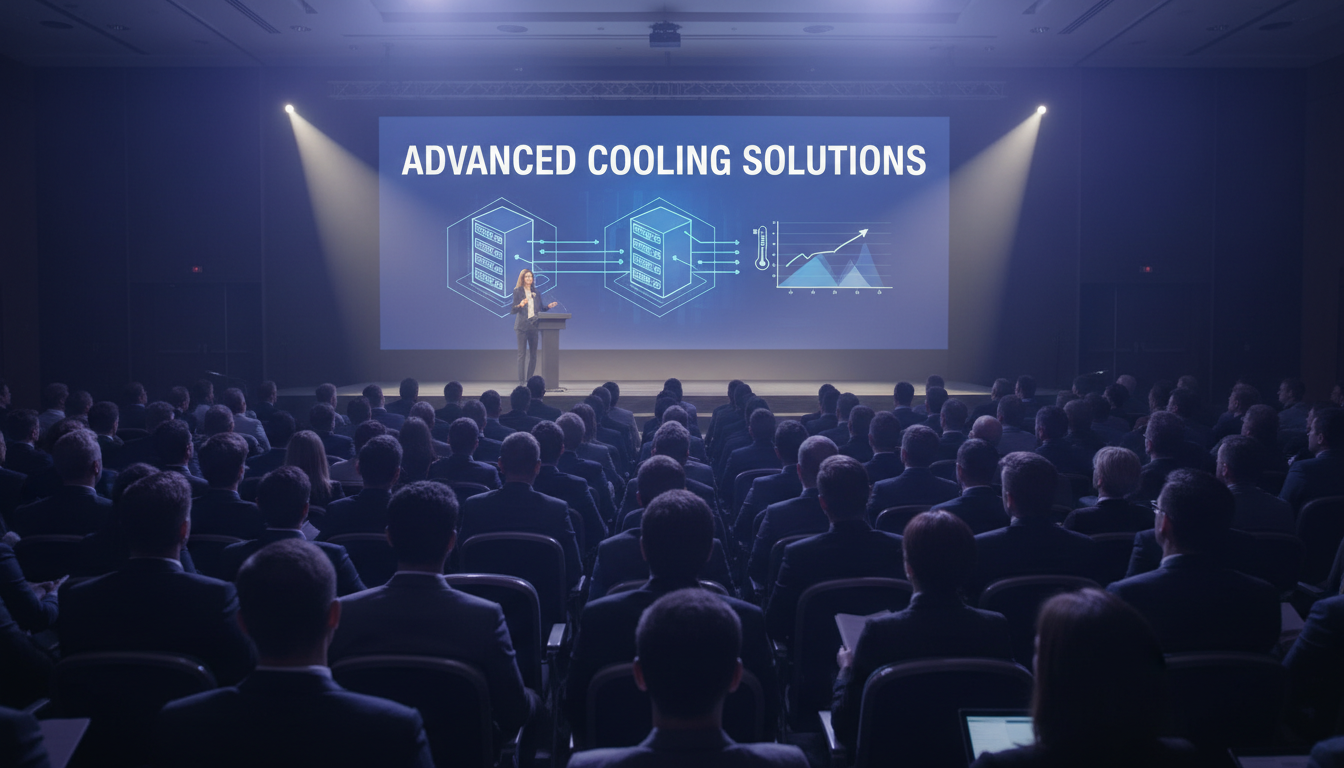
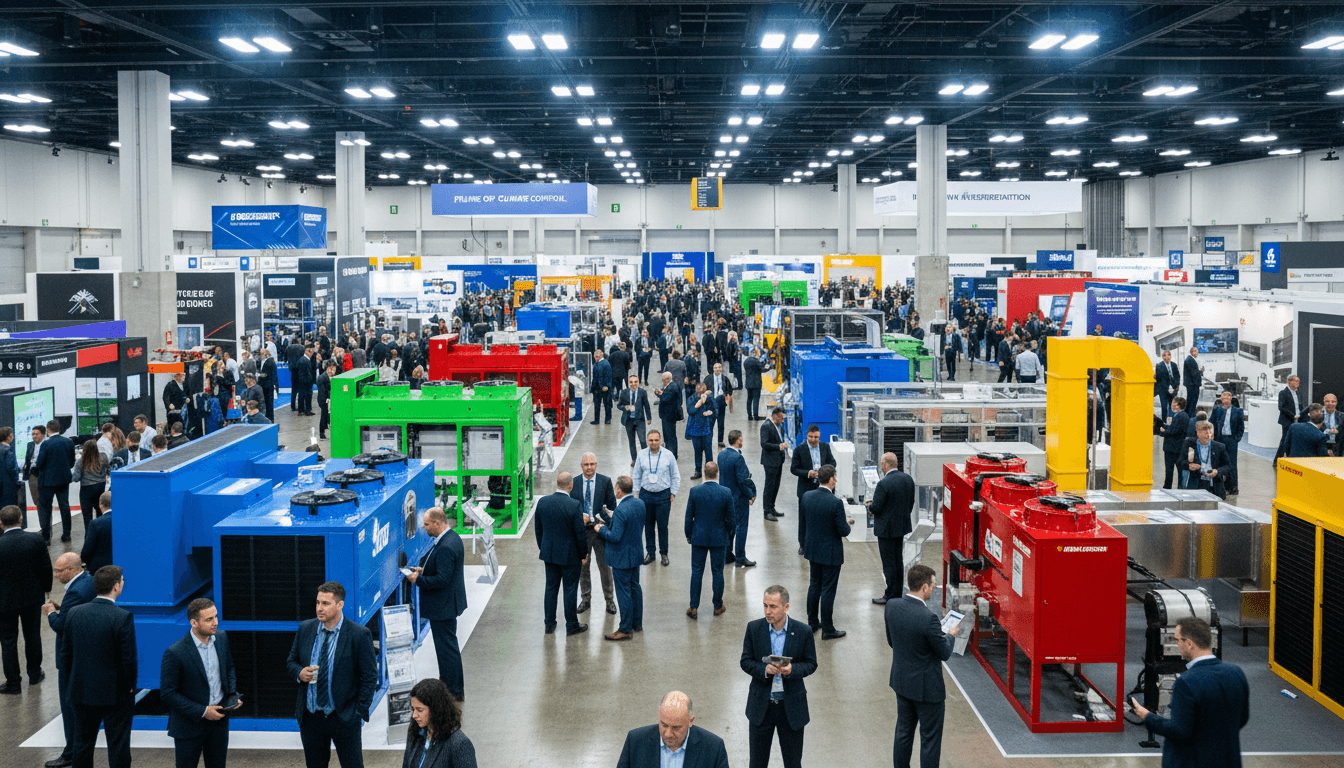
The intersection of regulatory compliance and high-density compute requirements will be fully realized at the Bangkok RHVAC trade show in April 2027. This exhibition serves as the strategic nexus for engineers and developers tasked with scaling Thailand’s digital footprint. Attendees should expect a concentrated display of hardware specifically engineered for tropical high-density environments; this includes modular heat pumps optimized for waste heat recovery and commercial-scale liquid immersion tanks designed to manage 200kW+ rack loads.
Beyond hardware, the 2027 event will highlight AI-driven thermal management software. These systems are now essential for maintaining a PUE below 1.10, as they utilize machine learning to synchronize cooling output with the volatile heat signatures of AI clusters. For global manufacturers, the show is the premier venue to demonstrate how these technologies perform under local ambient conditions. The Federation of Thai Industries facilitates this by connecting global tech giants with the local infrastructure providers responsible for the Kingdom’s energy grid and industrial zones.
With the liquid cooling market projected to reach 15.75 billion USD by 2030, securing a presence early is a competitive necessity. Interested companies can complete exhibitor registration to align their solutions with the upcoming wave of hyperscale projects. Simultaneously, those seeking to integrate these advancements into existing facilities can find technical session schedules through visitor information. These interactions will catalyze the partnerships required to implement resilient data center cooling Thailand strategies, ensuring that the nation’s infrastructure remains robust as digital demand accelerates.