The heat pump Thailand market is growing rapidly because these systems reduce hot water energy costs by up to 75 percent for large-scale facilities like hotels, hospitals, and factories. By leveraging the region's high ambient temperatures, these units provide a sustainable and cost-effective alternative to traditional boilers while helping businesses meet net zero targets through 2027.
As Thailand’s commercial and industrial sectors navigate escalating energy costs and tightening decarbonization mandates, the inefficiency of traditional water heating systems has become a critical liability for operational margins. For facility managers in high demand environments like hotels and hospitals, the transition to high efficiency heat pump technology is no longer an optional upgrade; it is a fundamental pillar of modern energy management. This evolution is vital as we approach 2027, where the convergence of regulatory pressure and technological advancement offers a clear path toward sustainability. In this guide, we analyze the shifting landscape of the Thai market, examining the adoption of natural refrigerants such as CO2 and R290. We will further evaluate the return on investment through localized incentives and provide a technical overview of the infrastructure requirements necessary for large scale deployment ahead of the Bangkok RHVAC 2027 exhibition.
The Rise of Heat Pump Technology in the Thai Market
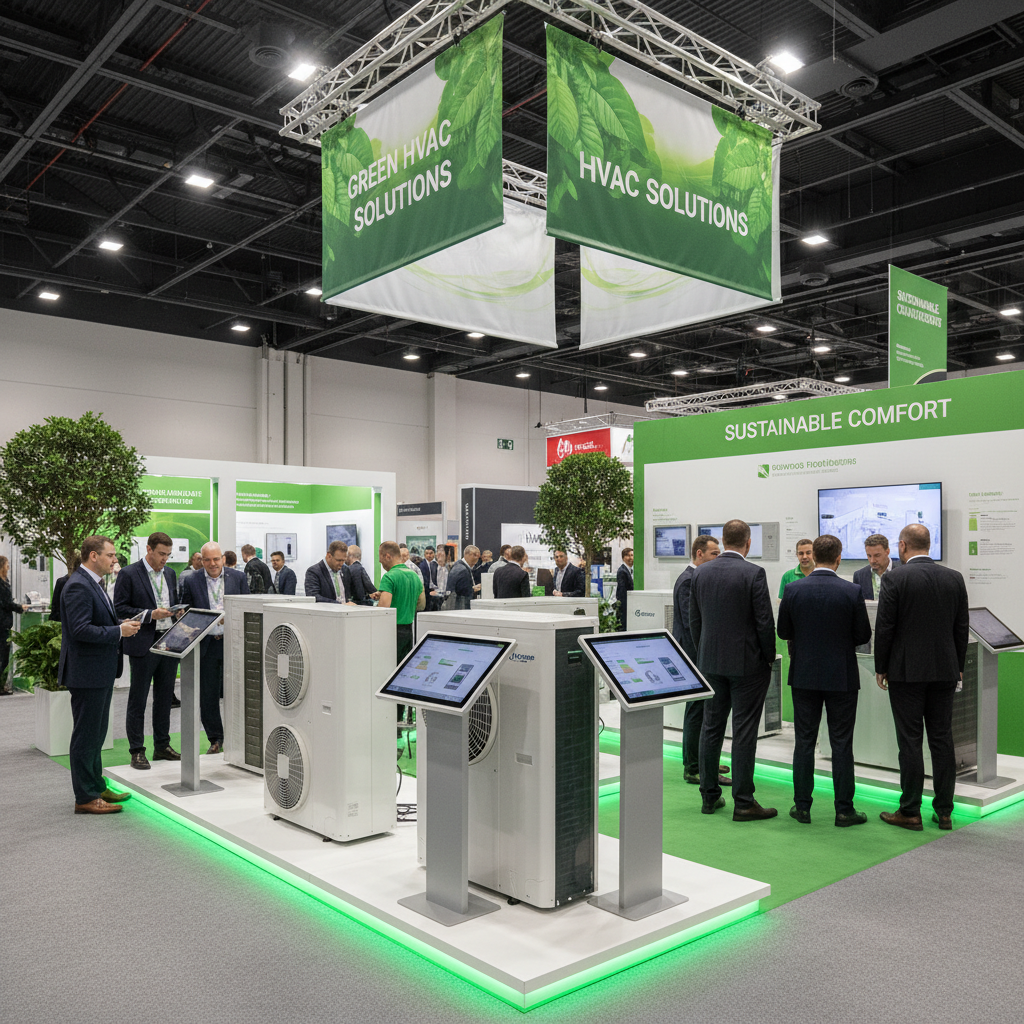
Thailand's energy landscape is undergoing a fundamental transformation as commercial and industrial sectors pivot toward electrification. The heat pump Thailand market is currently projected to maintain a robust 13.97 percent growth rate leading into 2027. This momentum is not merely a localized trend; it represents a strategic shift where technology once reserved for specialized industrial cooling is now the primary solution for mainstream hot water production. Recent analysis indicates the market value is poised to approach 787 million USD by 2031, driven by a combination of high energy prices and stringent sustainability mandates.
From the perspective of the Federation of Thai Industries, this acceleration stems from a maturing local ecosystem. Unlike previous decades where components were largely imported, the current landscape benefits from strengthened regional supply chains and manufacturing hubs within the Eastern Economic Corridor. Trade platforms like the upcoming ASEAN HVAC exhibition play a critical role in this adoption curve by bridging the gap between global innovation and local application requirements.
This shift is further fueled by the Kigali Amendment and Thailand's commitment to net-zero targets, forcing a move away from traditional gas and electric boilers. As professionals seek reliable heat pump sourcing options, the focus has moved beyond simple equipment procurement toward integrated thermal management. By providing a platform for technical exchange, Bangkok RHVAC 2027 ensures that Thai engineers and facility managers are equipped to implement these systems effectively, ensuring that the transition to high efficiency heating remains both technically sound and economically viable.
Why Thai Hotels are Swapping Electric Boilers for Heat Pumps
For the commercial hospitality sector, economic viability is the primary catalyst for decommissioning legacy systems. Hotel operators across Thailand are identifying that conventional water heating, traditionally powered by inefficient electric boilers or LPG systems, can account for up to 35 percent of a property's total energy expenditure. As profit margins face pressure from rising utility costs, the transition to heat pump hotel hot water systems has become a standard upgrade for facility managers seeking long term operational resilience.
The engineering advantage in Thailand is dictated by the tropical climate. Unlike temperate regions where heat pumps must work harder to extract thermal energy from cold air, Thailand's consistent ambient temperatures, often ranging from 28°C to 35°C, provide a high grade heat source. This allows for a significantly higher Coefficient of Performance (COP). While a standard electric boiler operates at a 1:1 ratio, converting one unit of electricity into one unit of heat, a well designed heat pump in this environment can deliver four units of thermal energy for every one unit of electricity consumed.
Metric | Traditional Electric Boiler | Heat Pump System |
|---|---|---|
Efficiency (COP) | 1.0 | 3.5 to 4.5 |
Energy Source | Electricity only | Ambient air + Electricity |
Operating Cost | 100% | 25% to 30% |
Cooling Byproduct | None | Cool air for plant rooms |
This efficiency translates into direct bottom line impact. Switching to these systems can save up to 75 percent of hot water costs compared to electric boilers. For large resorts with high occupancy and significant laundry requirements, these gains can result in annual savings of up to 50,000 USD. Beyond the direct savings, many Bangkok RHVAC exhibitors are now demonstrating integrated systems that utilize the cool exhaust air to supplement air conditioning in laundry rooms or kitchens, further enhancing total system efficiency. For procurement teams engaged in heat pump sourcing, the technology represents the most effective path to reducing fixed operational costs while meeting modern sustainability standards.
Industrial Applications: High Temperature Solutions for Factories and Hospitals
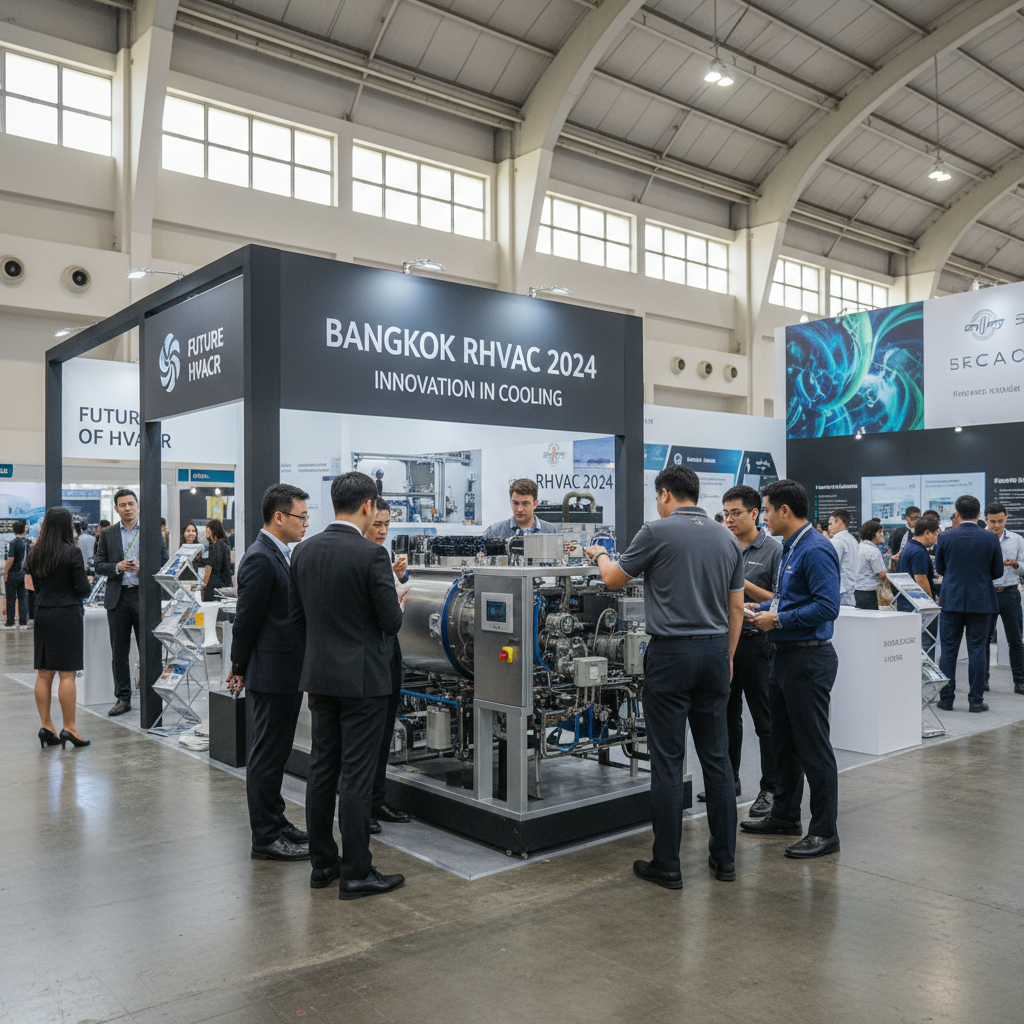
While the hospitality sector focuses on domestic comfort, industrial and medical facilities demand much higher thermal benchmarks. Hospitals and large-scale factories often require water temperatures sustained between 60 and 90 degrees Celsius; a range that traditional heat pumps once struggled to reach efficiently. Modern "Heatralized" systems have overcome these limitations by utilizing multi-stage compression or specialized refrigerants. These centralized high-temperature solutions are now vital for medical sterilization processes, where maintaining thermal integrity is non-negotiable for patient safety.
In the industrial sector, high-temperature heat pumps are replacing fossil fuel burners to meet ambitious ASEAN net-zero targets. In food and beverage manufacturing, specifically within breweries and meat processing plants, these systems provide the necessary process heat for pasteurization and equipment sanitization. Similarly, in semiconductor manufacturing, precise thermal control for ultra-pure water is essential. By integrating these systems, manufacturers can recover waste heat from cooling loops to generate the high temperatures required for production, effectively closing the energy loop.
For technical directors looking into heat pump sourcing, the shift toward these high-temperature units represents a significant leap in operational sustainability. Bangkok RHVAC exhibitors at the upcoming ASEAN HVAC exhibition will showcase how these systems integrate with existing factory infrastructure. As the heat pump Thailand market evolves, these industrial applications will be the primary drivers for achieving carbon neutrality in the kingdom's most energy-intensive sectors.
The Shift to Natural Refrigerants: CO2 and R290 Heat Pumps
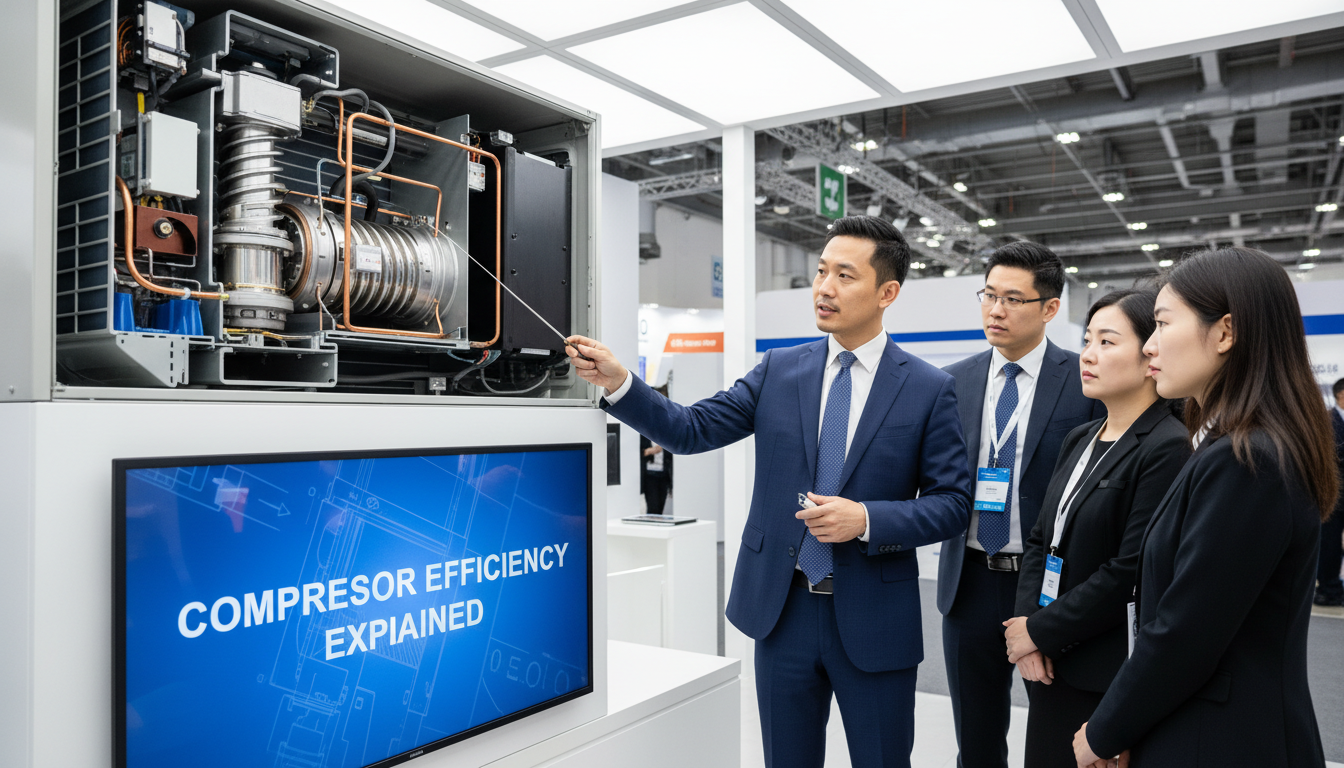
The adoption of high temperature systems is increasingly tied to the regulatory landscape defined by the Kigali Amendment. As Thailand actively transitions away from hydrofluorocarbons (HFCs), the industry is pivoting toward natural refrigerants with low Global Warming Potential (GWP). A CO2 heat pump Thailand implementation utilizes R744, a refrigerant with a GWP of just one, compared to figures in the thousands for traditional HFCs. This makes CO2 the gold standard for sustainability, particularly in systems requiring high temperature lifts for sterilization or industrial cleaning where efficiency often drops with synthetic alternatives.
While the engineering requirements for CO2 systems involve higher operating pressures, leading to a higher initial capital expenditure, the long term benefits are decisive. These units are immune to the tightening F-gas regulations that will eventually restrict the availability and increase the cost of synthetic refrigerants like R134a. Furthermore, R290 (propane) units are gaining traction for mid range applications due to their exceptional thermodynamic properties and low environmental impact. Many Bangkok RHVAC exhibitors are now prioritizing these natural solutions to help firms achieve net zero targets. For those engaged in heat pump sourcing, selecting natural refrigerant models is the most effective way to ensure equipment remains compliant and efficient throughout its projected fifteen year lifespan.
Evaluating the ROI: Incentives and Energy Savings in Thailand
Investing in high efficiency heating requires a shift from viewing equipment as an expense to viewing it as a long-term asset. While the initial capital expenditure for a heat pump Thailand project is typically higher than a gas or electric boiler, the operational savings provide a compelling ROI. The 3 to 5 times higher efficiency of heat pumps compared to resistive heating allows high volume users, such as industrial laundries or large hospitals, to achieve a payback period of under 3 years.
The financial case is strengthened by specific Thai government support mechanisms. The Energy Efficiency Revolving Fund offers low interest loans for energy conservation projects, while the Board of Investment (BOI) provides five star tax deductions for companies upgrading to high performance machinery. These incentives effectively reduce the "green premium" associated with natural refrigerant systems.
Financial Metric | Traditional Boiler | Heat Pump System |
|---|---|---|
Efficiency Rating | 75% to 95% | 300% to 500% |
Typical Payback | N/A | 1.5 to 3 Years |
Thai Govt. Rebates | Limited | High (BOI / Revolving Fund) |
Maintenance | High (Combustion/Pressure) | Moderate (Electronic/Compressor) |
To maximize these returns, engineers at the ASEAN HVAC exhibition often reference the "20 rule" for sizing. This technical guideline suggests sizing the heat pump to run for 20 hours per day during peak demand periods, utilizing large thermal storage tanks to buffer the load. This approach ensures the compressor operates at its most efficient steady state rather than cycling frequently, which preserves the equipment's lifespan and optimizes energy consumption. For those beginning heat pump sourcing, consulting with Bangkok RHVAC exhibitors is essential to ensure these sizing calculations align with local water quality and ambient conditions.
Understanding Potential Downsides and Installation Challenges
While the ROI is compelling, an objective technical assessment requires addressing the logistical constraints of integrating this technology into existing infrastructure. A common concern for facility managers involves understanding the practical downsides of a heat pump water heater compared to legacy systems.
Primarily, air source units require a larger physical footprint and specific environmental conditions. In a typical heat pump Thailand installation, high ambient humidity results in significant condensate production; this byproduct must be managed through dedicated drainage systems to prevent structural dampness or safety hazards. Furthermore, plant room placement is critical. Without adequate ventilation or ducting to expel cold exhaust air, the unit will effectively refrigerate its own environment, causing the COP to plummet and increasing mechanical strain.
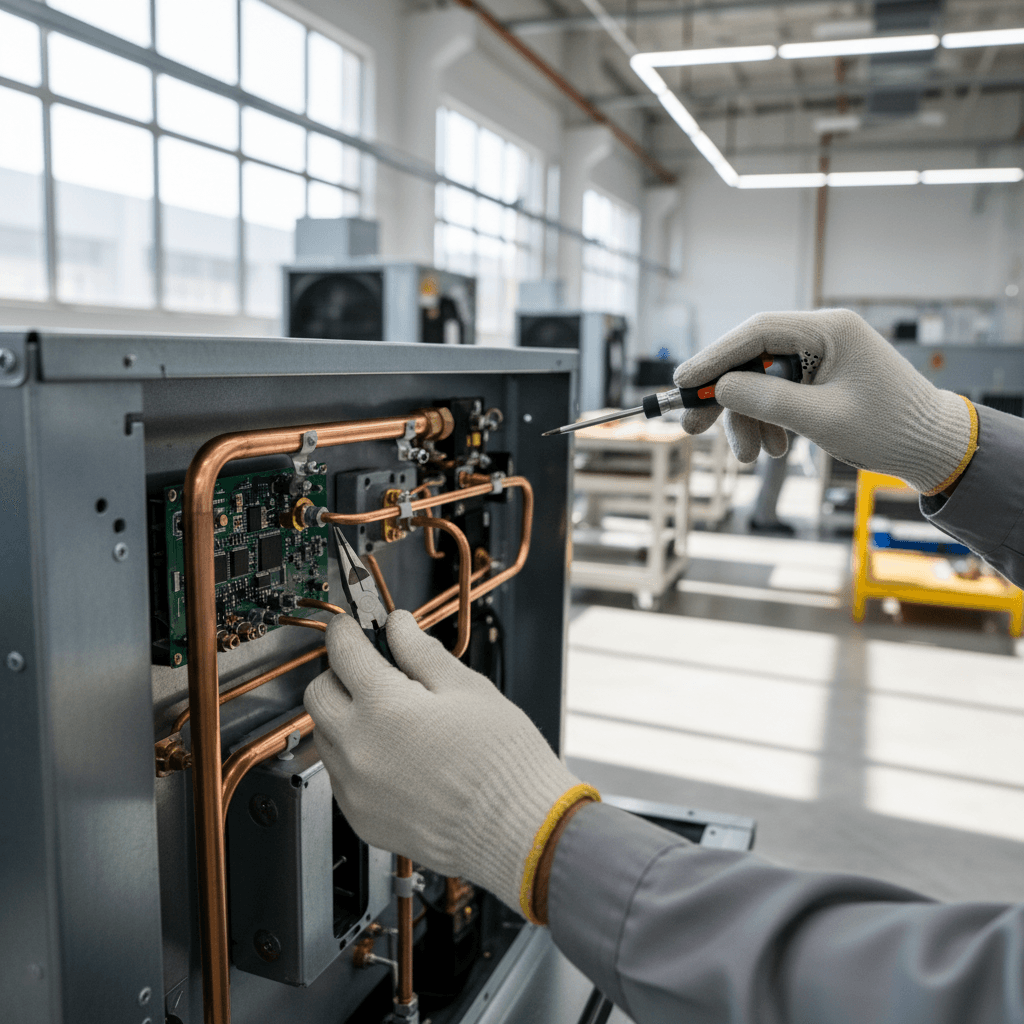
Successful implementation depends on professional installation to correctly calibrate flow rates and thermal storage. Engaging with experienced Bangkok RHVAC exhibitors is essential for navigating these spatial and ventilation challenges. During heat pump sourcing, engineers should prioritize units with robust evaporator coatings to withstand the corrosive tropical air. Addressing these technical requirements early ensures that the system provides long term reliability rather than unforeseen maintenance burdens.
Sourcing the Future of Heating at Bangkok RHVAC 2027
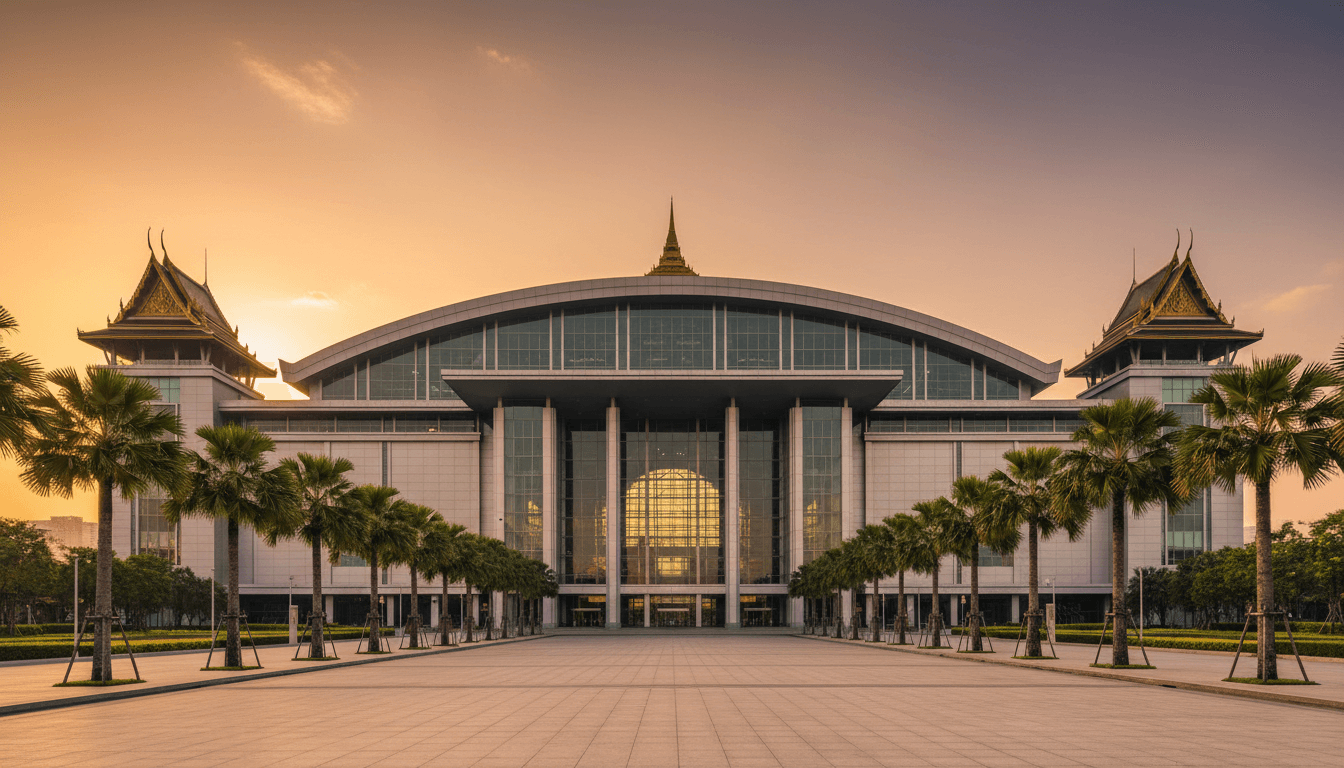
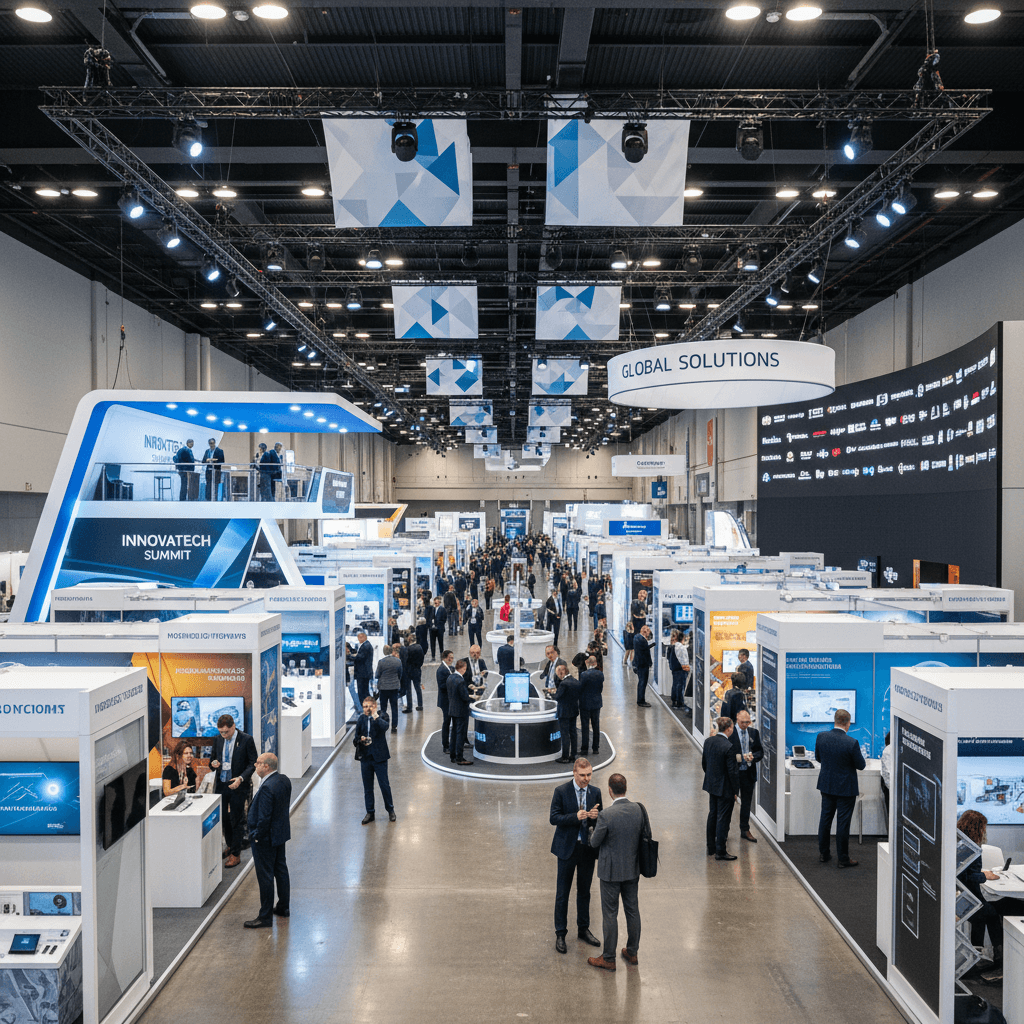
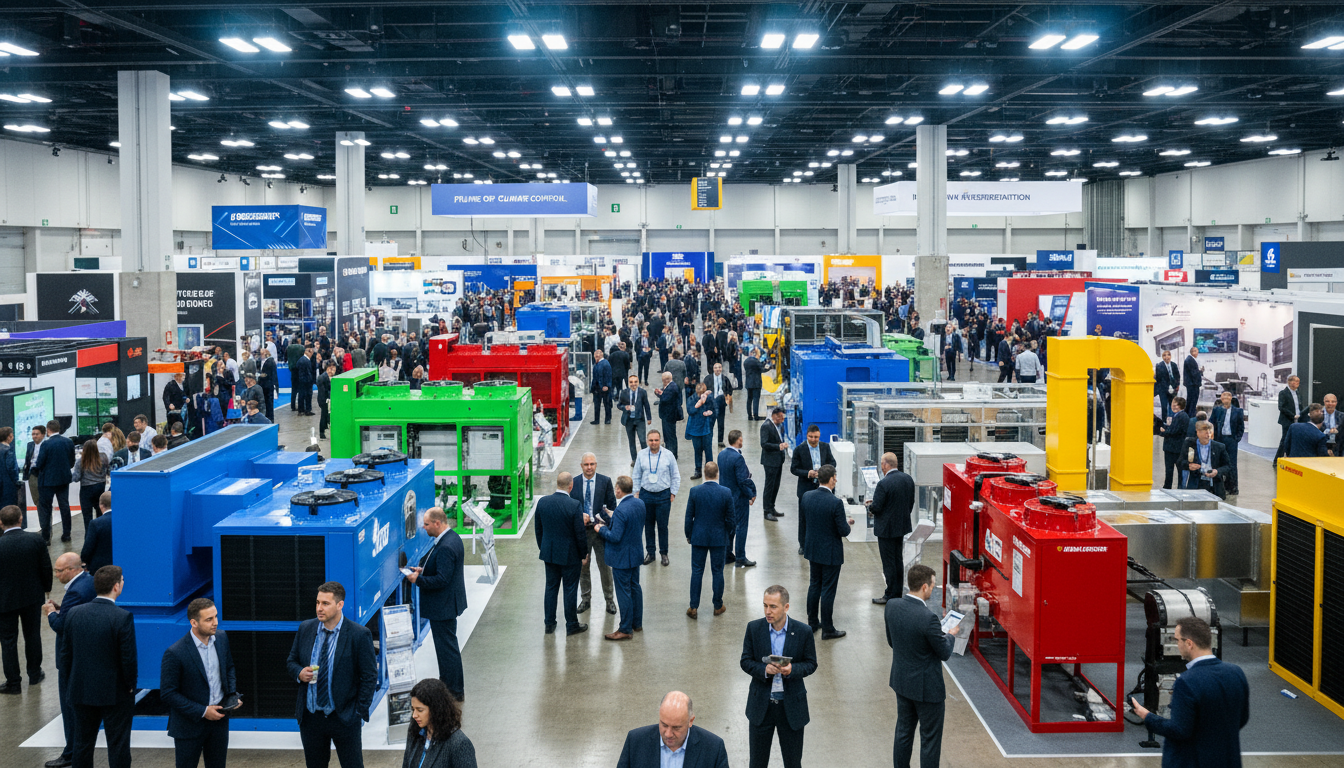
Bangkok RHVAC 2027, scheduled for April 1 to 3, serves as the definitive gathering for professionals navigating the technical complexities of heat pump Thailand implementations. Given that Thailand's import momentum for this technology grew by over 54 percent in recent years, the exhibition floor provides a critical opportunity to witness these high-efficiency units in live operation, moving beyond theoretical specifications to real-world performance data.
Attendees can engage directly with Bangkok RHVAC exhibitors who specialize in natural refrigerant systems, including the CO2 and R290 models essential for future proofing facilities against tightening regulations. This platform is the premier venue to benchmark international brands against local Thai innovations, ensuring that heat pump sourcing decisions are grounded in both global quality standards and regional climate requirements.
Beyond the equipment displays, the ASEAN HVAC exhibition features technical seminars led by industry experts. These sessions offer practical guidance on system integration, thermal storage configuration, and navigating the application process for local energy rebates; this provides the specialized knowledge required to transition from legacy boilers to advanced thermal management systems.
As Thailand moves toward a greener future in 2027, adopting efficient water heating solutions remains a cornerstone for hotels, hospitals, and industrial facilities. Transitioning to these sustainable systems offers significant energy savings and long-term operational stability. If you are looking for expert guidance on how to implement or optimize Heat Pumps for your specific project, the Federation of Thai Industries is here to support you. We can help you navigate technical requirements and connect you with the right resources to ensure your facility remains competitive.