Thai buyers and facility managers should prioritize inverter technology and systems with a SEER rating of 16 or higher to achieve effective Energy Efficient cooling in tropical heat. It is essential to verify the EGAT No. 5 label and consider VRF systems for larger buildings to ensure high performance while reducing long term operational costs.
In Thailand's demanding tropical climate, facility managers and industrial buyers face the persistent challenge of rising operational costs driven by unrelenting cooling requirements. Traditional HVAC systems often struggle against extreme ambient temperatures and high humidity; this leads to excessive energy consumption and frequent maintenance cycles. This inefficiency does not merely impact the bottom line; it affects overall industrial competitiveness and sustainability goals within the regional market. This guide provides a technical overview of the critical factors necessary for selecting high-performance cooling solutions. We will examine essential metrics beyond basic SEER ratings, the impact of latent load management on energy drain, and advanced hardware features designed for tropical reliability. Furthermore, we will explore smart automation strategies and provide a strategic checklist to utilize when engaging with vendors, ensuring your next investment at Bangkok RHVAC 2027 is both data-driven and future-proof.
The High Cost of Tropical Heat: Why Energy Efficient Cooling is Non-Negotiable
Operating a facility in Thailand presents a unique engineering challenge that standard HVAC specifications often fail to address. Our climate, characterized by year-round high temperatures and relentless humidity, places a continuous, heavy load on cooling systems. For commercial and industrial facilities in Bangkok, HVAC operations typically consume more than 60 percent of the total electricity budget. This makes energy efficient cooling solutions a core component of operational profitability rather than a mere sustainability goal.
Facility managers must look beyond residential grade units and focus on 'tropicalized' hardware. Standard equipment is often tested at moderate ambient temperatures; however, local conditions regularly exceed 40 degrees Celsius. When equipment is not specifically rated for these extremes, efficiency drops sharply as the system struggles to reject heat. Investing in systems specifically engineered for the ASEAN environment ensures that performance remains stable during peak summer months and reduces the risk of premature compressor failure. These technical requirements and the latest hardware advancements will be central themes at the upcoming Bangkok RHVAC trade show, where industry leaders showcase equipment built to withstand the rigors of our geography.
Beyond the SEER Rating: Understanding Efficiency Metrics in Thailand
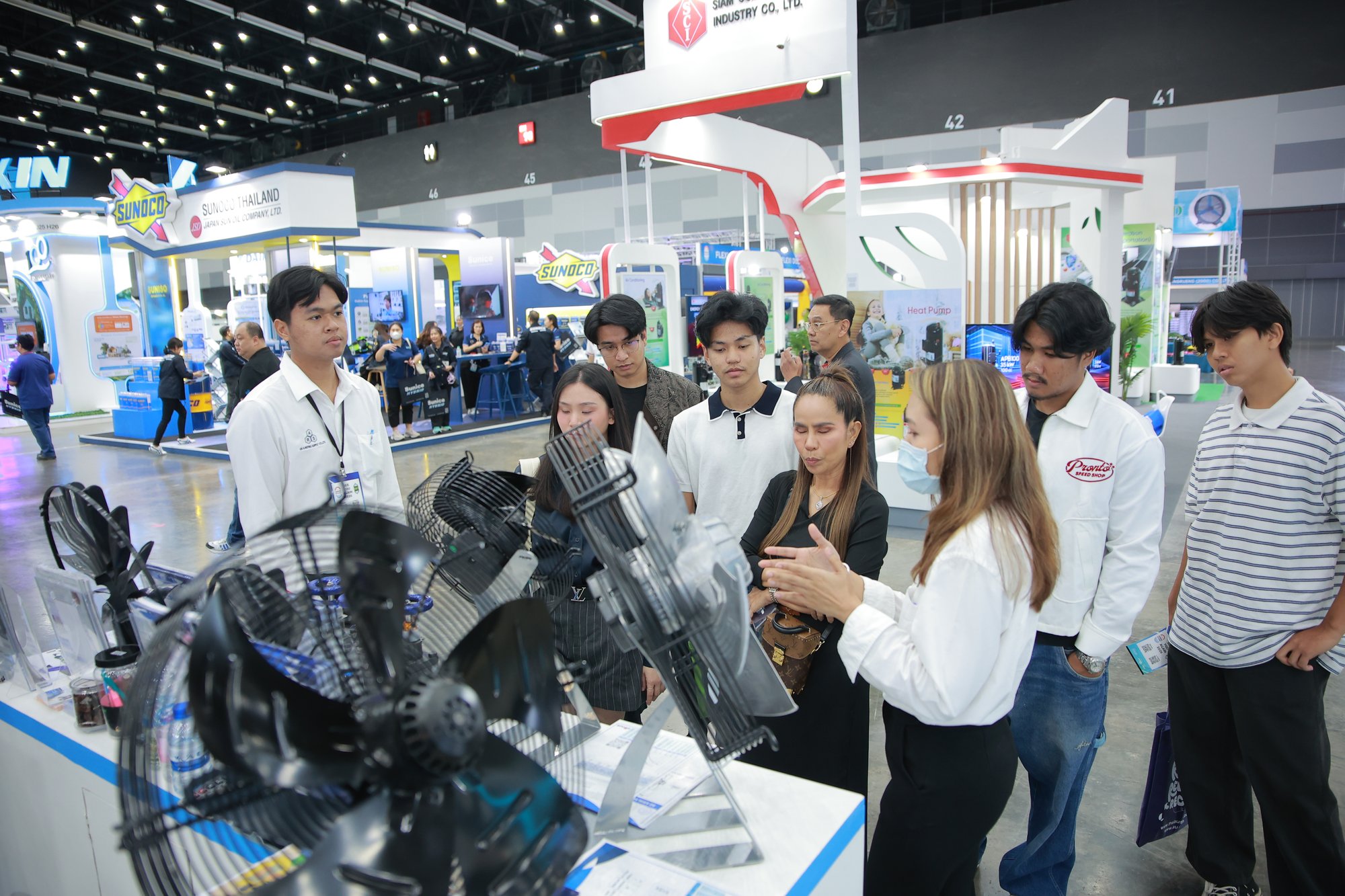
Selecting energy efficient cooling solutions requires a nuanced understanding of how performance metrics translate to the Thai electrical grid. While the Energy Efficiency Ratio (EER) remains a useful measure of peak load performance at 35 degrees Celsius, it does not capture the full operational reality of modern inverter technology. This is where the Seasonal Energy Efficiency Ratio (SEER) becomes vital. Because Thai weather involves subtle temperature shifts and long periods of partial load, SEER accounts for the efficiency gains provided by variable speed compressors as they ramp down, rather than just their performance at maximum output.
In the local market, the Electricity Generating Authority of Thailand (EGAT) Number 5 Label serves as the primary certification. However, facility managers should pay close attention to the star system introduced in recent years. Moving from a standard Number 5 rating to a 5 star rated unit signifies a jump in technical sophistication and a lower total cost of ownership. The newer SEER2 standards further refine this by testing equipment against higher external static pressures, ensuring that the rated efficiency holds true once the unit is installed in a complex building environment.
Metric | Primary Application | Key Consideration for Thailand |
|---|---|---|
EER | Fixed-speed units | Peak load performance during mid-day heat. |
SEER / SEER2 | Inverter systems | Efficiency during variable load and overnight use. |
COP | Chillers and Cooling Towers | Ratio of cooling output to power input for central plants. |
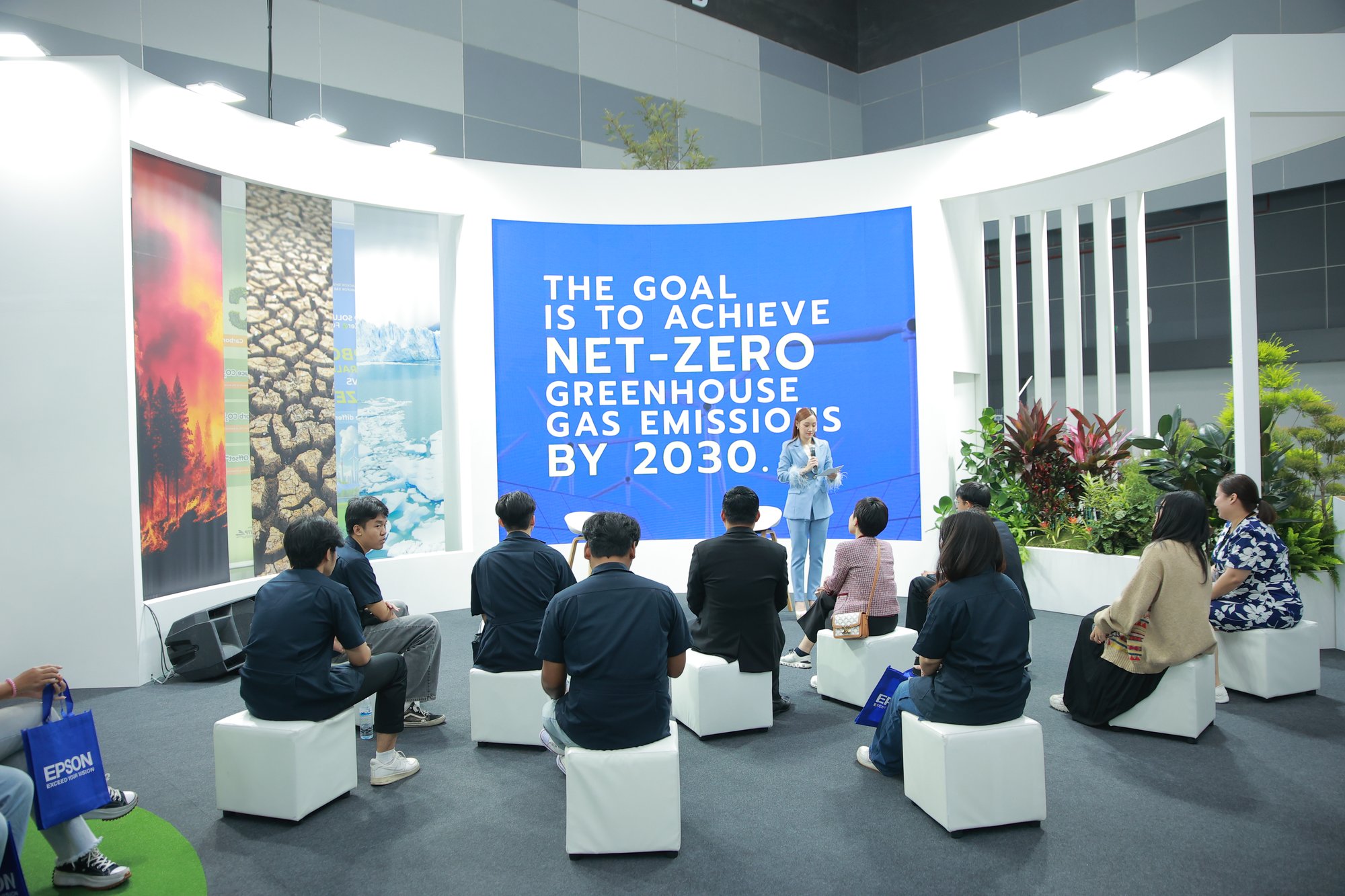
For large-scale infrastructure, the Coefficient of Performance (COP) is the most relevant metric for chillers and cooling towers. A high COP is essential for mitigating the efficiency drift often seen in older industrial cooling plants. The specific application of these metrics in high-humidity zones will be a core focus of the International Conference on Tropical Cooling (TC-HVACR 2027), where experts will discuss the evolution of Thai energy standards and their impact on ASEAN building codes. This session will bridge the gap between theoretical ratings and actual field performance in tropical environments.
Managing the Latent Load: Why Humidity is Your Biggest Energy Drain
This focus on performance metrics leads directly to the most significant operational hurdle in Southeast Asia: moisture management. In Bangkok, the latent load, or the energy required to remove humidity from the air, is often the invisible driver of high electricity bills. While sensible heat refers to the measurable drop in air temperature, latent heat represents the energy consumed to condense water vapor. In a tropical environment, a standard air conditioner spends a disproportionate amount of its power cycle simply fighting moisture before it can effectively lower the dry bulb temperature.
To achieve true energy efficient cooling solutions, facility managers are increasingly moving toward Dedicated Outdoor Air Systems (DOAS). By separating the ventilation load from the internal cooling load, a DOAS dehumidifies fresh outdoor air before it enters the building. This prevents the primary HVAC system from becoming overwhelmed by external humidity. For industrial applications, desiccant cooling systems use specialized materials to absorb moisture directly; this is often more efficient than the traditional method of cooling air far below its dew point and then reheating it to a comfortable level.
When evaluating new equipment, procurement officers should prioritize units with independent humidity control or sophisticated dehumidification cycles. Many standard units attempt to remove moisture by overcooling the space, which leads to occupant discomfort and unnecessary energy waste. Systems that can modulate the evaporator coil temperature specifically for latent removal are essential for maintaining a dry indoor environment without the penalty of over-chilling. These advanced dehumidification strategies are a recurring theme at the International Conference on Tropical Cooling, where the emphasis remains on decoupling moisture control from temperature regulation.
Key Hardware Features for Reliable Tropical Performance
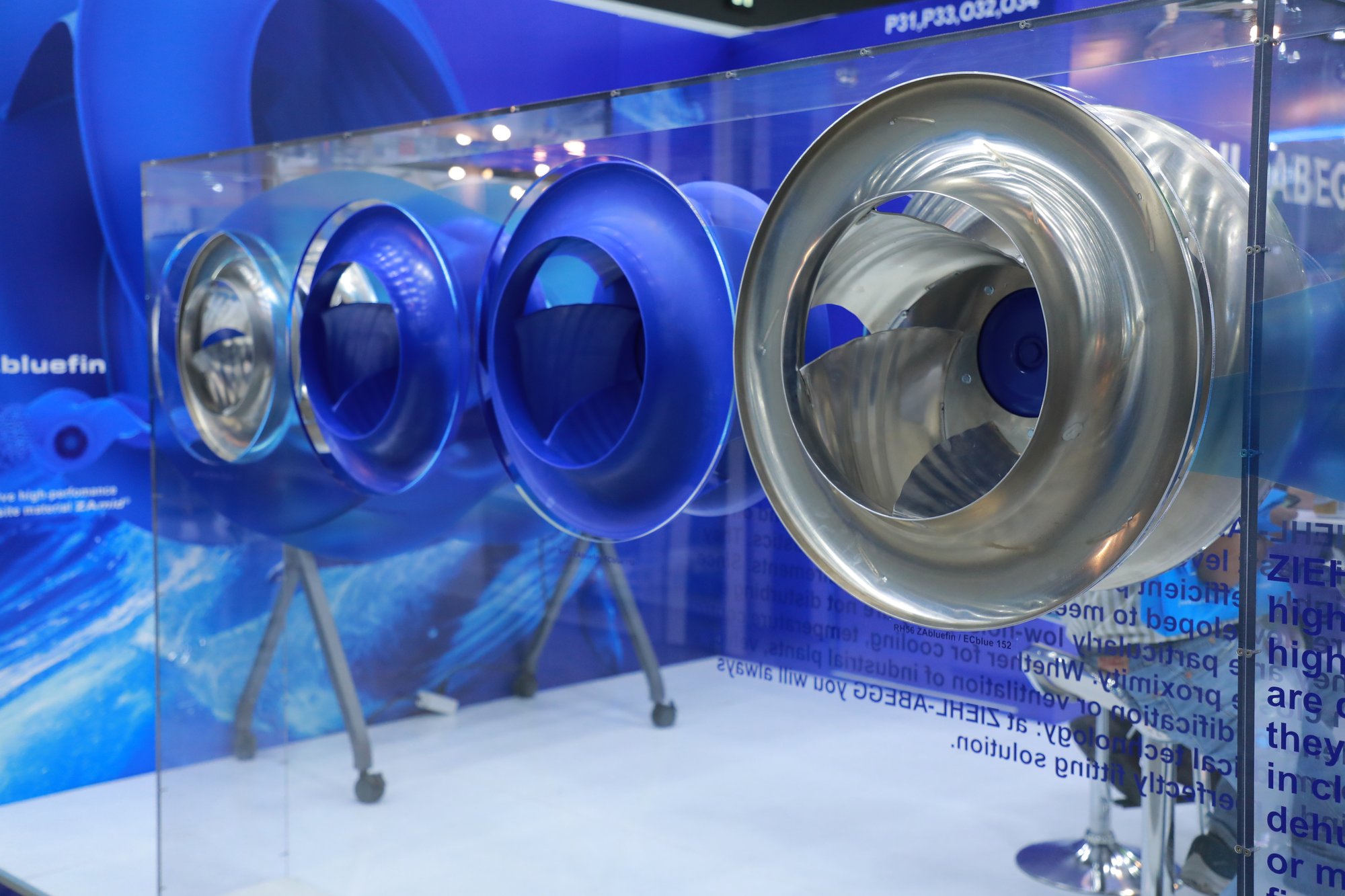
Translating these humidity management strategies into long-term operational success requires hardware that can survive the corrosive and thermally demanding environment of Southeast Asia. While a system may appear efficient on a data sheet, its real-world durability depends on specific engineering choices designed to combat Thailand's high ambient pressures and atmospheric pollutants.
Facility managers should prioritize a technical checklist that addresses the primary causes of system degradation in the tropics:
Feature | Technical Specification | Benefit in Thailand |
|---|---|---|
Anti-Corrosion Coating | Gold Fin or Blue Fin hydrophilic layers | Prevents fin degradation from Bangkok's air pollution and coastal salt air. |
Compressor Grade | Tropical-rated (T3) components | Ensures the system does not trip or lose efficiency at 40°C+ temperatures. |
Motor Technology | Full DC Inverter | Provides precise load matching and smoother operation under variable heat loads. |
Protection for the heat exchanger is paramount. Standard aluminum fins oxidize rapidly in urban environments due to sulfurous smog; they fail even faster in industrial zones or near the Gulf of Thailand. Hydrophilic coatings like Gold Fin or Blue Fin are not optional upgrades for energy efficient cooling solutions; they are essential for maintaining the heat transfer efficiency required to keep energy bills low over the equipment's ten-year lifecycle.
Furthermore, the selection of the compressor must account for the high discharge pressures common in 42°C weather. Tropical-grade compressors utilize high-torque motors and specialized lubricants that maintain viscosity under extreme heat. When paired with inverter technology, these systems avoid the brute-force approach of older hardware. Instead of cycling between 0 percent and 100 percent capacity, inverters modulate output to match the building's actual thermal gain.
Crucially, procurement teams must resist the urge to specify oversized units. In the Thai climate, an oversized unit reaches the temperature setpoint too quickly, causing the compressor to shut down before the evaporator coil has had sufficient time to remove latent moisture from the air. This "short-cycling" results in a space that feels cold but clammy, often forcing occupants to lower the thermostat even further and wasting significant energy. Precise sizing, a topic frequently explored by engineers at the Bangkok RHVAC trade show, is the only way to ensure the hardware effectively balances both sensible and latent cooling loads.
Smart Controls and Automation for Facility Managers
Precision hardware requires an equally sophisticated brain to manage the volatile thermal environment of Southeast Asia. Commercial facility managers are increasingly moving away from manual thermostat adjustments toward integrated Building Management Systems (BMS) that serve as the central nervous system for energy efficient cooling solutions. These systems do more than just monitor temperatures; they utilize AI-driven algorithms to predict occupancy patterns based on historical data and real-time sensor inputs. By proactively adjusting chilled water setpoints or air handling unit speeds before a heat load spikes, automated controls prevent the energy-intensive catch-up cycles common in traditional systems.
The trend across the ASEAN region is shifting toward data-driven maintenance as a primary strategy to combat efficiency drift. Even the highest-rated chiller can lose significant performance over time due to sensor calibration errors or minor mechanical issues that go unnoticed. Smart automation identifies these deviations early through continuous commissioning protocols. This transition from reactive to predictive maintenance ensures that the return on investment for high-performance equipment is preserved over its entire lifecycle. Visitors to the Bangkok RHVAC trade show will see these software platforms in action, demonstrating how IoT connectivity and cloud-based analytics can transform a standard cooling plant into a dynamic, responsive asset.
Checklist: What to Ask Vendors Before Purchasing
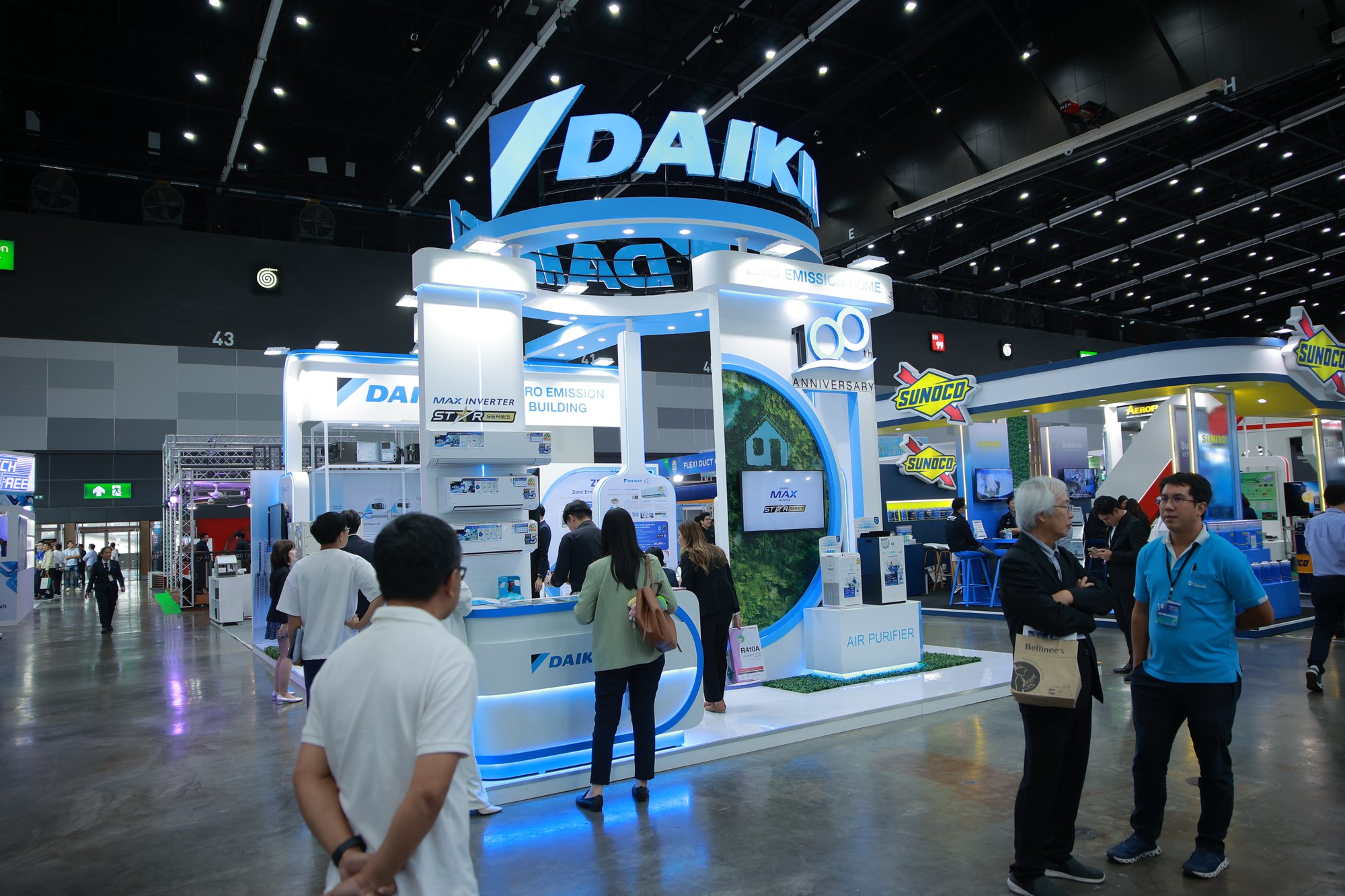
Transitioning from sophisticated automation to physical procurement requires a rigorous vetting process to ensure hardware matches the digital expectations. To secure energy efficient cooling solutions that deliver long term value, procurement officers and facility managers must verify technical claims against the specific operational realities of the Thai environment. Using the following checklist during vendor negotiations will help differentiate between standard equipment and truly tropicalized systems.
Is the system equipped with a T3 tropical-rated compressor designed for continuous operation at ambient temperatures exceeding 40°C?
Can the vendor provide certified performance data and efficiency curves specifically for 35°C and 40°C, rather than just standard test conditions?
Does the equipment support open-protocol communication, such as BACnet or Modbus, to facilitate the AI-driven optimizations discussed at the International Conference on Tropical Cooling?
What is the current inventory status for critical spare parts, such as inverter boards and fan motors, at the local Bangkok warehouse?
Does the manufacturer offer energy auditing or post-installation commissioning services to prevent the efficiency drift common in Southeast Asian facilities?
Are the heat exchangers treated with certified anti-corrosion coatings, and what is the expected lifespan of these coatings in high-pollution urban zones?
Sourcing the Future of Cooling at Bangkok RHVAC 2027
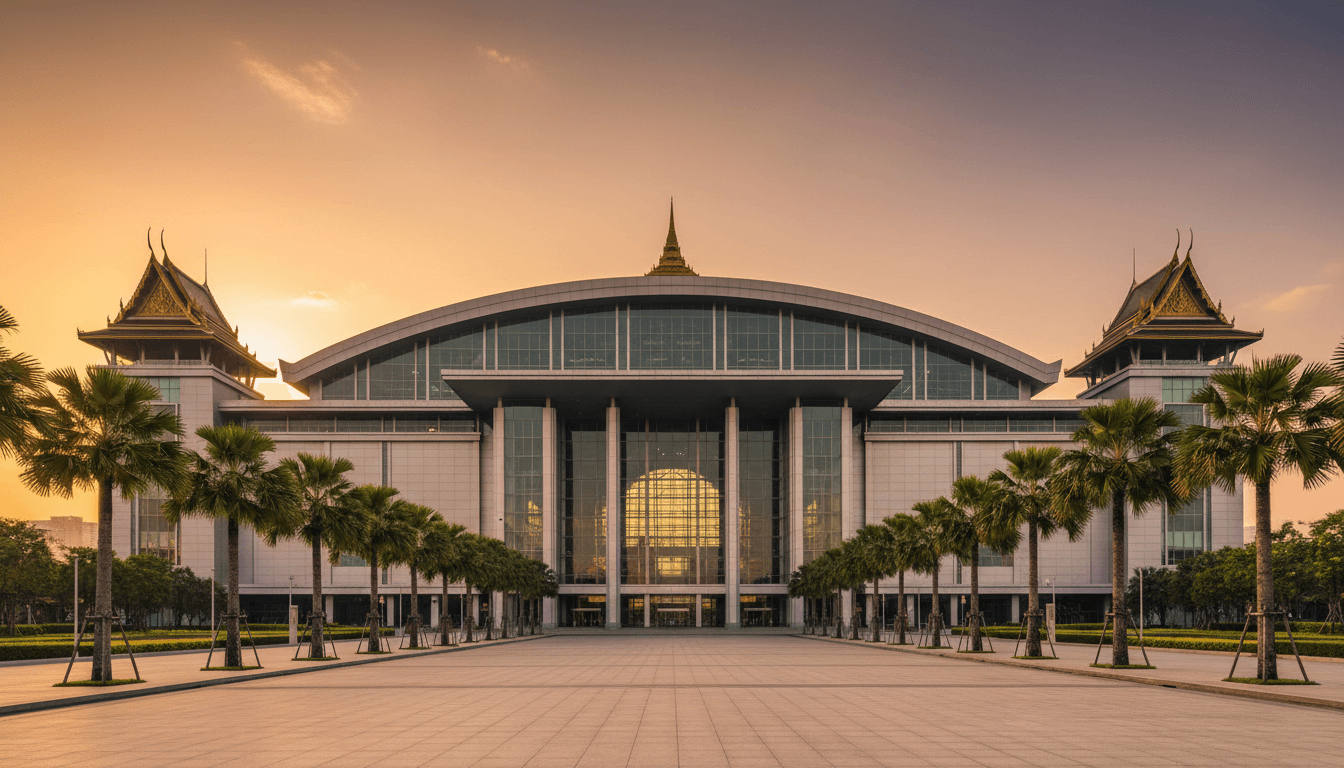
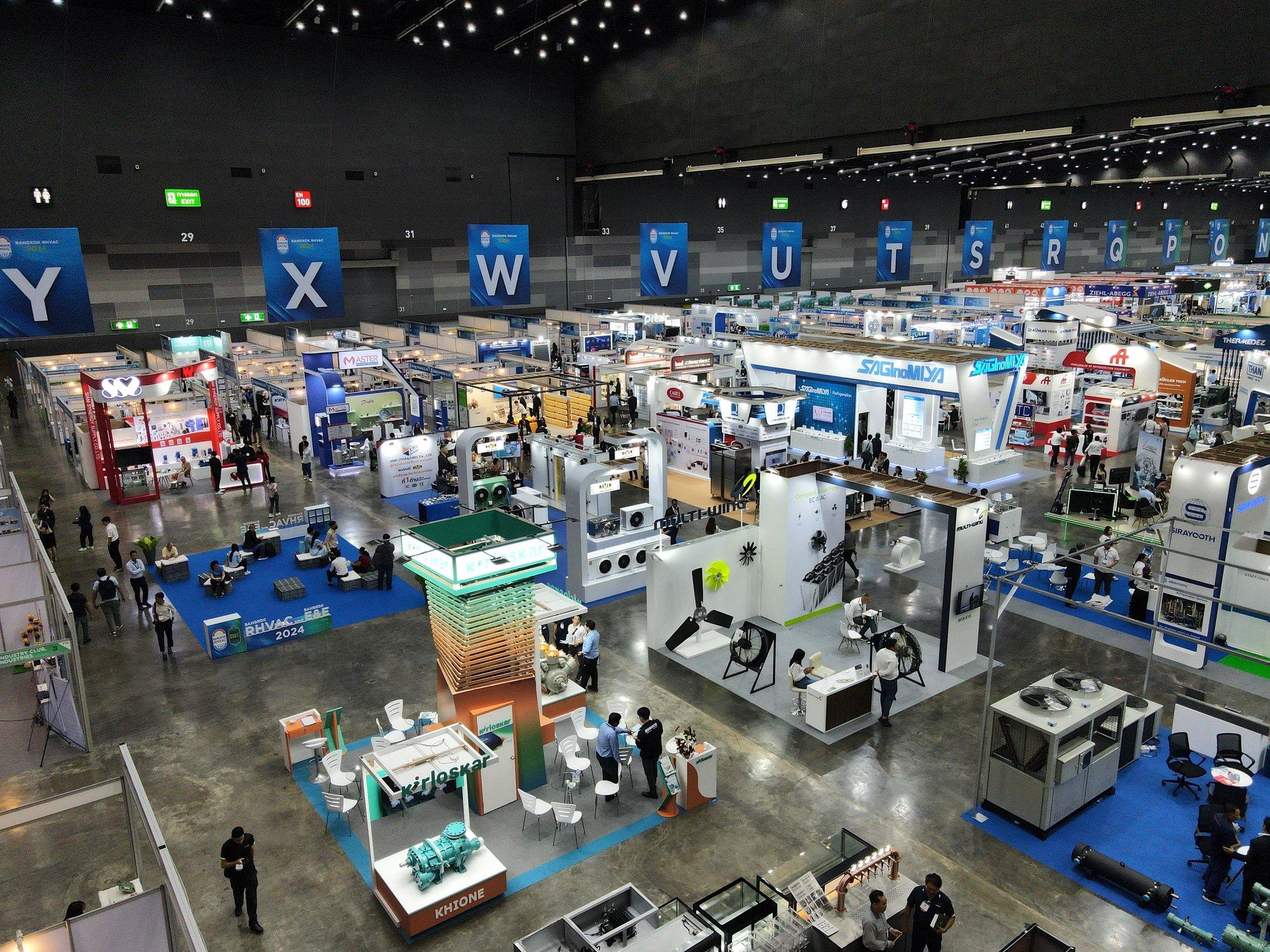
Finding the right energy efficient cooling solutions requires moving from technical specifications on a screen to physical equipment verification. At the Bangkok RHVAC trade show, held from 1 to 3 April 2027 at BITEC, facility managers can conduct this due diligence side by side. Occupying Halls EH98 to 100, the event brings together more than 300 brands showcasing the latest Variable Refrigerant Flow (VRF) systems, high-COP chillers, and sustainable HVACR technologies engineered specifically for the ASEAN market.
This 15th edition provides a unique platform to interface directly with Thai manufacturers who lead the world in tropicalized equipment design. These local producers offer specialized insights into anti-corrosion treatments and high-ambient compressor performance that international standards sometimes overlook. Beyond the exhibition floor, the International Conference on Tropical Cooling (TC-HVACR 2027) offers deep dives into the regulatory and engineering shifts shaping our industry. By engaging with these experts, procurement teams can build the regional supply chain relationships necessary to ensure long term parts availability and localized technical support. Pre-registration through the official DITP system is currently open for those seeking to secure their place at Thailand's premier refrigeration and ventilation event.