Key HVAC technology trends Southeast Asia 2026 2027 center on the rapid adoption of AI-driven smart controls, IoT-enabled energy management, and high-efficiency district cooling systems. These innovations focus on reducing carbon footprints through sustainable refrigerants and electrification while prioritizing enhanced indoor air quality and predictive maintenance. As the regional market expands, the integration of real-time monitoring and advanced sensors will become the standard for achieving both cost savings and environmental targets.
As Southeast Asia faces intensifying heat cycles and escalating energy costs, industrial and commercial operators across the region are struggling to maintain operational efficiency under outdated cooling frameworks. The pressure to align with international sustainability mandates while managing rising overhead is no longer a peripheral concern; it is a core business challenge. For Thai manufacturers and regional developers, staying ahead requires a strategic shift toward the next generation of climate control. In this guide, we explore the critical HVAC innovations defined for 2026 and 2027. You will gain insights into Thailand’s 5G enabled smart systems, the transition to low GWP refrigerants like R32 and R290, and the tightening of MEPS standards. Furthermore, we examine the integration of industrial heat pumps and advanced air quality sensors that are reshaping the ASEAN built environment.
The Evolution of Cooling in Southeast Asia for 2026 and 2027
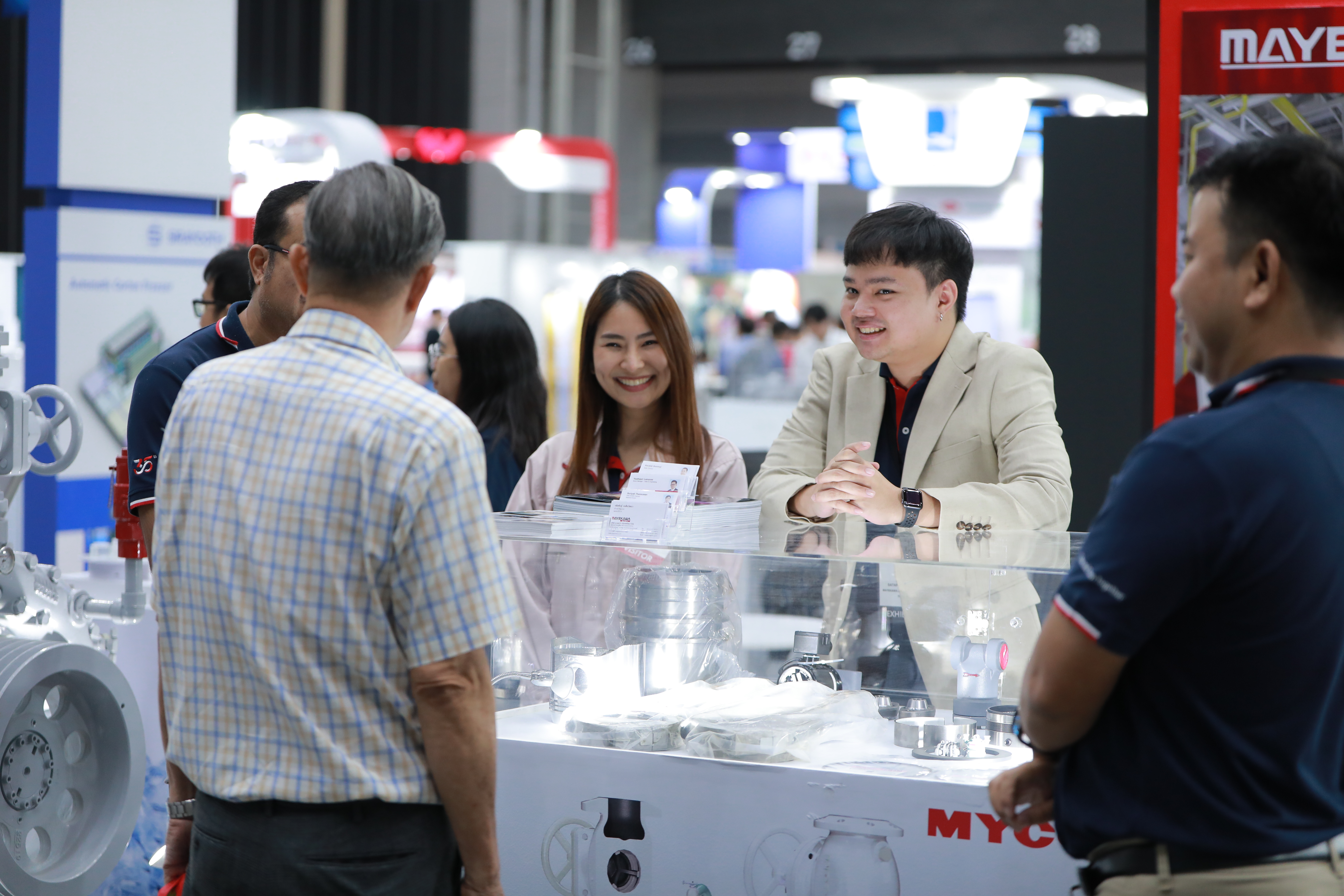
The landscape of HVAC technology trends Southeast Asia 2026 2027 is defined by a significant surge in both demand and technical complexity. Current industry projections indicate that the Asia Pacific HVAC sector is expected to reach a valuation of USD 177.1 billion by 2032, supported by a robust Compound Annual Growth Rate. This expansion is not merely a matter of volume; it is a direct response to the specific environmental and economic pressures currently shaping the ASEAN region.
Southeast Asia presents a unique engineering challenge that differentiates it from the global market. The combination of a relentless tropical climate and rapid urbanization requires cooling solutions that can withstand high ambient temperatures and extreme humidity levels. In metropolitan hubs like Bangkok and Jakarta, the focus has shifted toward managing heavy latent heat loads in high-density environments, necessitating a level of sophistication that goes beyond standard global equipment specifications.
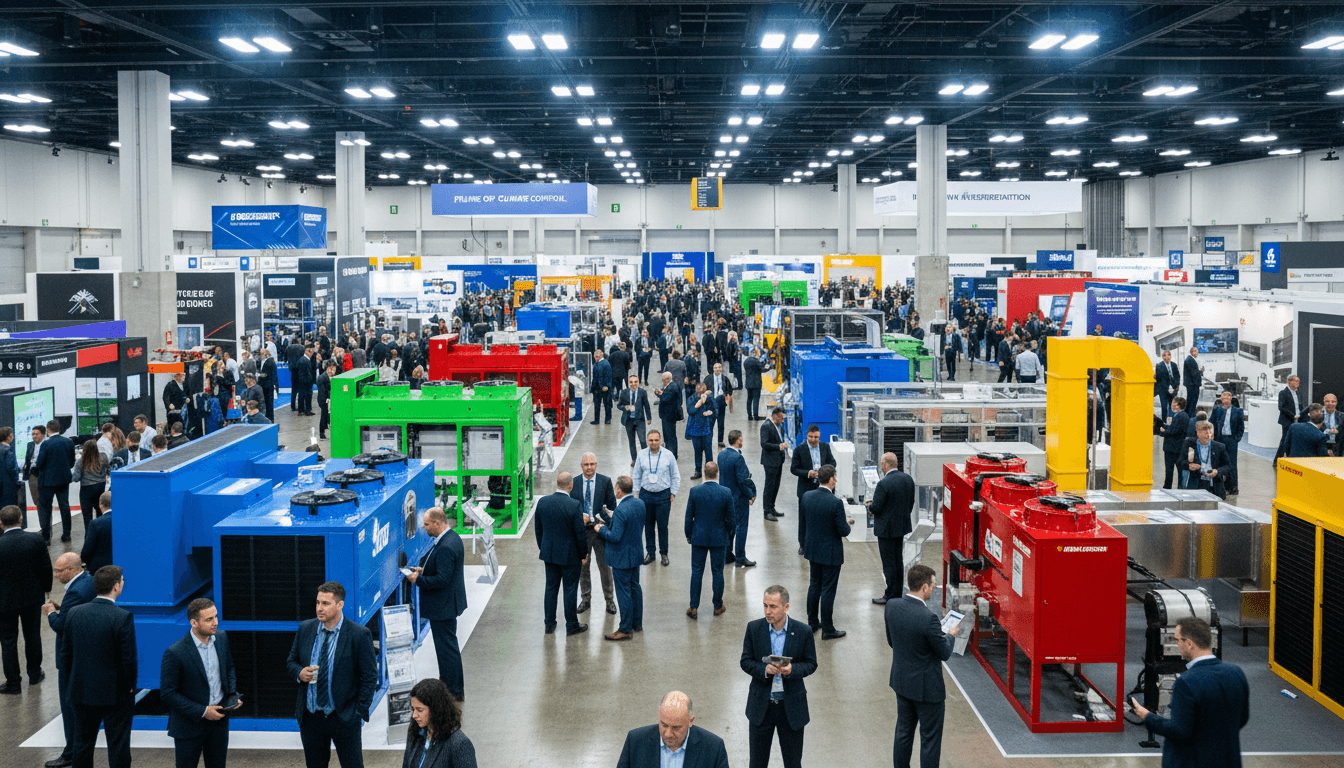
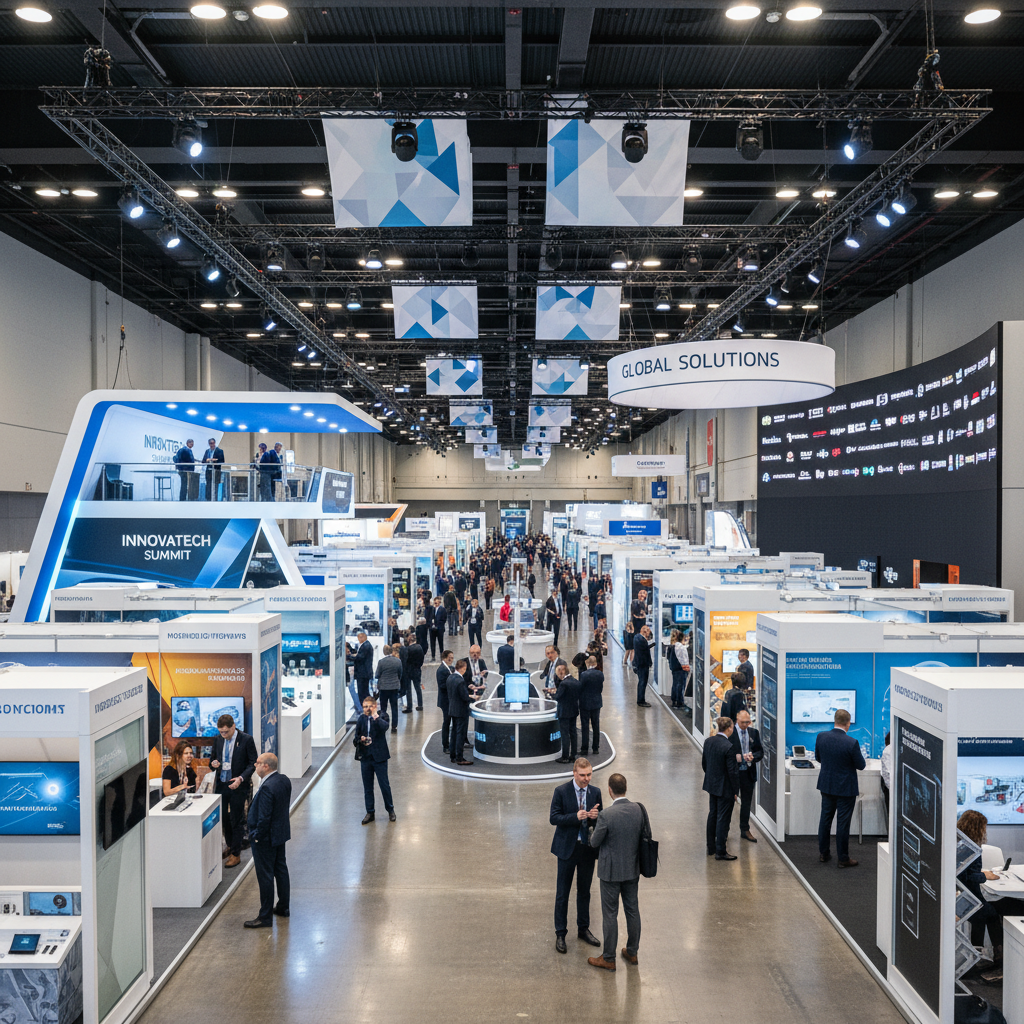
The Bangkok RHVAC 2027 exhibition serves as the critical intersection where these advanced technologies meet the specific needs of the regional market. As infrastructure projects across the region accelerate, the industry is prioritizing systems that balance high-performance cooling with increasingly strict regional regulatory standards. For those considering participating as an exhibitor or seeking direct contact options to discuss procurement and distribution, understanding this market evolution is essential for navigating the growth projected for the 2026 and 2027 cycles.
Smart HVAC and IoT: Leveraging Thailand's 5G Infrastructure
Thailand's strategic investment in 5G infrastructure has positioned the country as a regional hub for advanced building automation. As we move into the HVAC technology trends Southeast Asia 2026 2027 cycle, the integration of Internet of Things (IoT) and Artificial Intelligence (AI) has transitioned from experimental concepts to essential operational requirements. For building operators in high density urban centers, the ability to process massive datasets in real time is no longer a luxury; it is the baseline for maintaining uptime and efficiency.
The primary advantage of Thailand's robust 5G network is the facilitation of high density smart sensors across commercial and industrial facilities. These sensors provide the granular data necessary for AI driven optimization, particularly in addressing the latent heat loads unique to the tropics. While global models often focus primarily on sensible heat, regional innovations showcased at the Bangkok RHVAC 2027 exhibition highlight how AI algorithms now proactively manage the extreme humidity of cities like Bangkok and Jakarta. By predicting humidity spikes based on external weather data and occupancy patterns, these systems can adjust cooling cycles to maintain comfort levels without the energy waste associated with traditional reactive cooling.
Key tools for facility managers now include: - Smart sensors for real time monitoring of CO2, VOCs, and specific humidity levels. - Remote access platforms that allow for centralized control of multiple geographically dispersed sites from a single dashboard. - Automated predictive maintenance modules that identify mechanical wear or refrigerant leaks before they result in critical system failure.
This shift toward data informed management allows for a significant reduction in operational expenditure through optimized energy use and extended equipment lifespans. Those interested in participating as an exhibitor will find that the market is currently seeking solutions that offer seamless integration with existing building management systems (BMS) via 5G protocols. For deeper technical specifications on these 5G enabled systems, utilize our direct contact options to connect with our technical advisory team.
The Great Refrigerant Shift: Transitioning to R32 and R290 in ASEAN
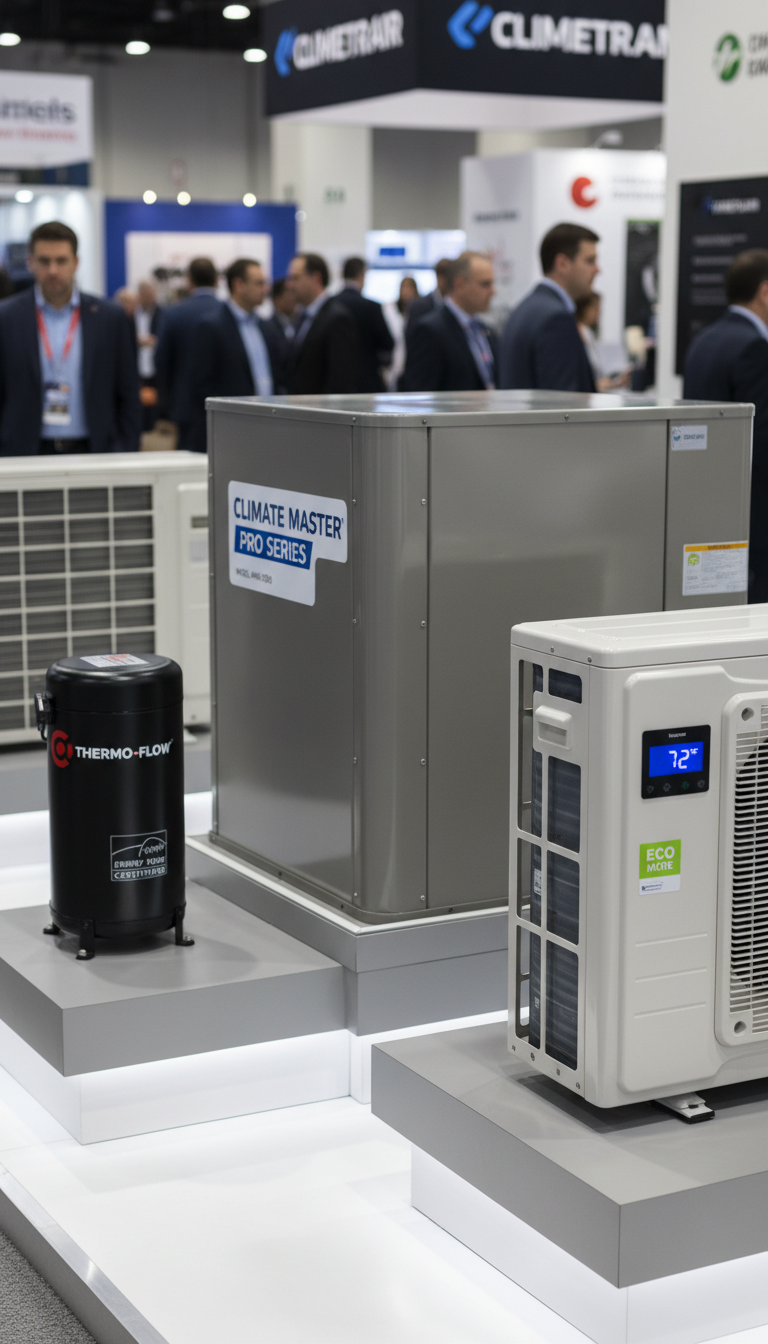
Data-informed management and IoT are driving efficiency, but the most significant regulatory pressure for HVAC technology trends Southeast Asia 2026 2027 centers on the fundamental chemistry of cooling. The new refrigerant update in 2026 involves a definitive move away from high-GWP HFCs as ASEAN member states align more closely with the Kigali Amendment. This shift is creating a two-tiered market where manufacturers must balance immediate demand with long-term compliance.
Currently, R32 remains the mainstream choice across Thailand and Vietnam due to its superior energy efficiency and moderate Global Warming Potential (GWP) of approximately 675. However, the industry is increasingly asking: will R290 replace R-32? While R32 is an A2L mildly flammable refrigerant, R290 (propane) is a natural refrigerant with a GWP of only 3. R290 is gaining significant traction in commercial refrigeration and small-capacity split systems because it offers excellent thermodynamic properties and eliminates future regulatory risks associated with synthetic refrigerants.
Refrigerant | Type | GWP | Flammability Class | Primary Use Case |
|---|---|---|---|---|
R32 | HFC | 675 | A2L (Mild) | Residential & Light Commercial |
R290 | Natural | 3 | A3 (High) | Commercial & Precision Cooling |
R454B | HFO Blend | 466 | A2L (Mild) | Large Chiller Systems |
Manufacturers are now adapting to Green Public Procurement (GPP) standards, which are becoming a prerequisite for government-led infrastructure projects in the region. These standards favor systems utilizing low-GWP refrigerants, forcing a redesign of heat exchangers and safety protocols. For those participating as an exhibitor, showcasing hardware that handles natural refrigerants safely is now a competitive necessity. Visitors to the Bangkok RHVAC 2027 exhibition will see these innovations firsthand, particularly in how manufacturers manage the A3 safety requirements of R290. For technical guidance on these transitions, utilize our direct contact options to speak with our industry consultants.
Energy Efficiency Innovations and Tightening MEPS Standards
While refrigerant transitions address global warming potential, operational energy efficiency remains the most immediate financial concern for property owners across the region. Throughout the HVAC technology trends Southeast Asia 2026 2027 timeline, a significant tightening of Minimum Energy Performance Standards (MEPS) is occurring across ASEAN member states. These mandatory ratings are accelerating the shift from fixed speed compressors to high efficiency inverter technology. Inverters allow systems to modulate cooling output to precisely match the thermal load of a building, which is critical in tropical climates where partial load operation is the standard for over 80 percent of the day.
The International Energy Agency (IEA) buildings report underscores that energy efficiency measures are now the primary driver for retrofitting older commercial assets. In metropolitan areas like Bangkok, where high density commercial stock is aging, upgrading to modern Variable Refrigerant Flow (VRF) systems or magnetic bearing chillers is essential for maintaining asset value and meeting ESG criteria. For new smart city developments and large scale urban projects, district cooling systems (DCS) have become a major strategic trend. By centralizing the production of chilled water, DCS achieves economies of scale and energy savings that individual building units cannot match, significantly reducing the urban heat island effect.
Efficiency Factor | Traditional Systems | Modern Inverter / DCS |
|---|---|---|
Part-Load Efficiency | Low (Cycling losses) | High (Variable modulation) |
Grid Impact | High peak demand | Reduced peak load |
Maintenance Cycle | Reactive | Data-driven / Centralized |
The Bangkok RHVAC 2027 exhibition will feature a dedicated zone for high efficiency industrial cooling and district energy solutions. Manufacturers participating as an exhibitor will demonstrate how these systems meet the 2026 and 2027 MEPS requirements. To discuss technical specifications for upcoming regional projects, utilize our direct contact options to reach our industry advisors.
Decarbonization and the Surprising Rise of Heat Pumps in the Tropics
The drive for energy efficiency naturally leads to the broader goal of complete building electrification. Within the HVAC technology trends Southeast Asia 2026 2027 landscape, heat pumps are surfacing as a primary mechanism for achieving Net Zero targets. While traditionally associated with cold climate space heating, in the tropics, these systems are being deployed for industrial process heat and domestic hot water integration. By capturing waste heat from the cooling cycle, heat pumps provide high temperature water for hotels, hospitals, and manufacturing facilities at a fraction of the energy cost of conventional gas boilers.
New corporate headquarters across the region are now adopting 360 degree net zero carbon solutions to satisfy rigorous ESG requirements. These integrated designs utilize air to water or water to water heat pumps to bridge the gap between cooling needs and thermal energy requirements, effectively eliminating the need for onsite fossil fuel combustion. This holistic approach to thermal management is essential for regional developers aiming for LEED or TREES certifications.
Application | Benefit in Tropical Climates |
|---|---|
Industrial Drying | Replaces gas burners with high efficiency electric heat |
Hospitality DHW | Recovers waste heat from AC systems to provide guest water |
Commercial HQ | Centralizes thermal management to meet ESG compliance |
The Bangkok RHVAC 2027 exhibition will showcase these versatile units, particularly those optimized for high humidity environments. Organizations participating as an exhibitor are increasingly focusing on these electrification tools to help regional partners transition away from gas infrastructure. For detailed case studies on industrial heat pump implementation in the ASEAN context, utilize our direct contact options to reach our technical committee.
Indoor Air Quality: Beyond Temperature to Total Environment Control
While decarbonization focuses on energy output, the health of the internal atmosphere has become the primary metric for high performance buildings. Within the scope of HVAC technology trends Southeast Asia 2026 2027, indoor air quality (IAQ) is no longer viewed as an optional add-on but as a critical infrastructure requirement. This shift is largely driven by persistent PM2.5 air pollution challenges in urban centers like Bangkok, Manila, and Hanoi, where outdoor air must be aggressively filtered before entering the building envelope.
Modern units are undergoing a transformation from simple cooling machines into comprehensive indoor environment systems. These systems integrate multiple layers of protection to ensure biological and chemical safety:
Technology | Function | Benefit for Southeast Asian Climates |
|---|---|---|
UV-C Sterilization | Germicidal irradiation | Eliminates mold and biofilm growth in high-humidity cooling coils. |
HEPA Filtration | Particulate capture | Removes up to 99.97% of PM2.5 and airborne allergens common in city centers. |
Bipolar Ionization | Pathogen neutralization | Agglomerates fine particles and neutralizes odors without ozone byproduct. |
Fresh-Air Ventilation | Dilution and CO2 control | Prevents the "sick building syndrome" often found in sealed, high-occupancy offices. |
Active sterilization technologies, specifically UV-C and ionization, are now standard in specifications for healthcare and hospitality projects. Furthermore, advanced fresh-air ventilation systems are being paired with energy recovery ventilators (ERVs) to pre-cool and dehumidify incoming air; this ensures that IAQ improvements do not compromise energy efficiency. Professionals interested in these health-centric innovations can observe live demonstrations at the Bangkok RHVAC 2027 exhibition. For manufacturers participating as an exhibitor, highlighting certified filtration ratings is essential to meet the current market demand. To explore specific IAQ sensors and filtration standards for your next project, please utilize our direct contact options for expert consultation.
Experience the Future at Bangkok RHVAC 2027
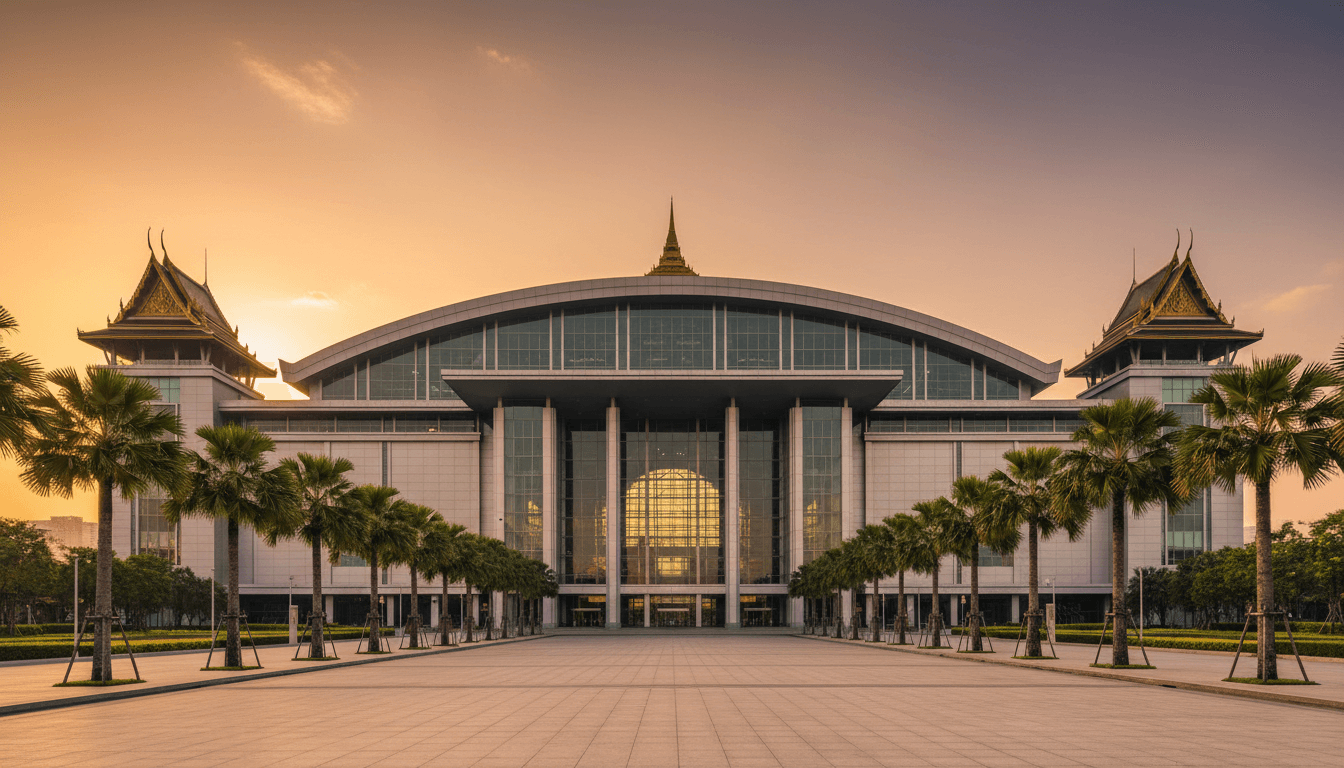
The synthesis of these HVAC technology trends Southeast Asia 2026 2027 converges at the Bangkok RHVAC 2027 exhibition, scheduled for April 1 to 3, 2027, at BITEC, Bangkok. This event serves as the primary technical venue for engineers, urban developers, and facility managers to observe live demonstrations of R290 safety protocols, 5G integrated building management systems, and high capacity heat pump systems specifically engineered for tropical climates.
The exhibition facilitates high level networking between international manufacturers and specialized ASEAN distributors, ensuring the regional supply chain is technically prepared for the rigorous 2027 regulatory shifts and MEPS updates. For companies participating as an exhibitor, the event offers a direct platform to present localized solutions to the most rapidly expanding cooling market globally. To secure participation or request specific technical floor maps, utilize our direct contact options to engage with the organizing committee and ensure your specifications align with the upcoming regional standards.
Navigating the future of cooling in Southeast Asia requires a balance between adopting smart technologies and meeting new sustainability standards. These trends for 2026 and 2027 present both challenges and significant opportunities for industrial growth. If you want expert help aligning your operations with these regional shifts, professional guidance can streamline the transition. To understand how we support industry leaders through such transitions, please visit our About page to learn more about our commitment to technical excellence.